


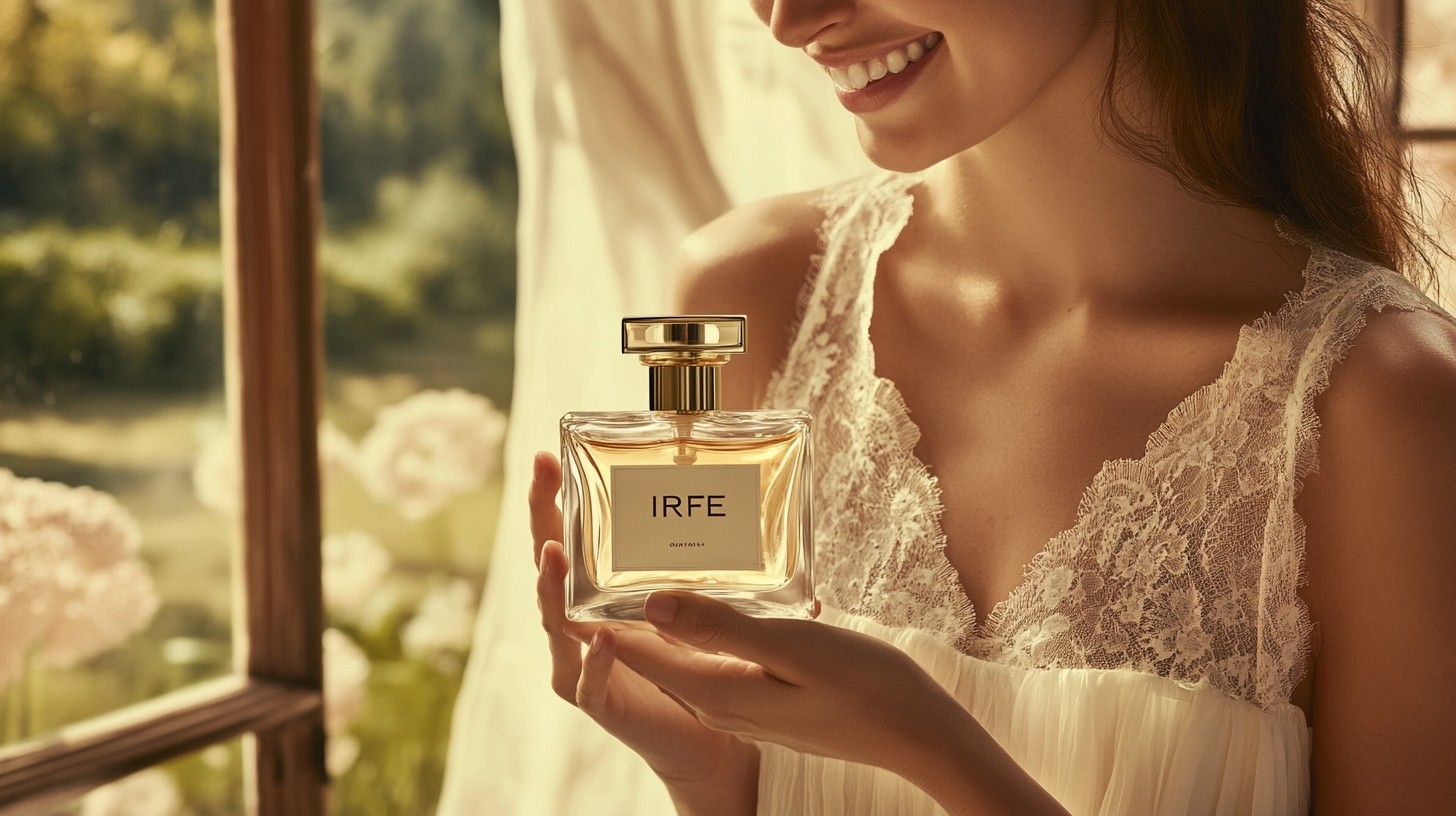
Updated October 5, 2026.
Iris perfume can smell powdery, green, woody, creamy, musky or almost suede-like depending on how the perfumer frames it. The word “iris” suggests a flower, but in fine fragrance the distinctive powdery-woody effect often comes from materials associated with the rhizome, commonly discussed as orris.
This page is about the finished perfumes and the styles they create. If you want the raw-material question first—how iris rhizomes become orris, what irones are, and why iris, orris and violet are often confused—use the separate orris perfume guide.
Here, the more useful question is: what kind of iris do you want to wear? Clean and green, soft and aldehydic, dark and ambery, floral and woody, or cool and powdery?
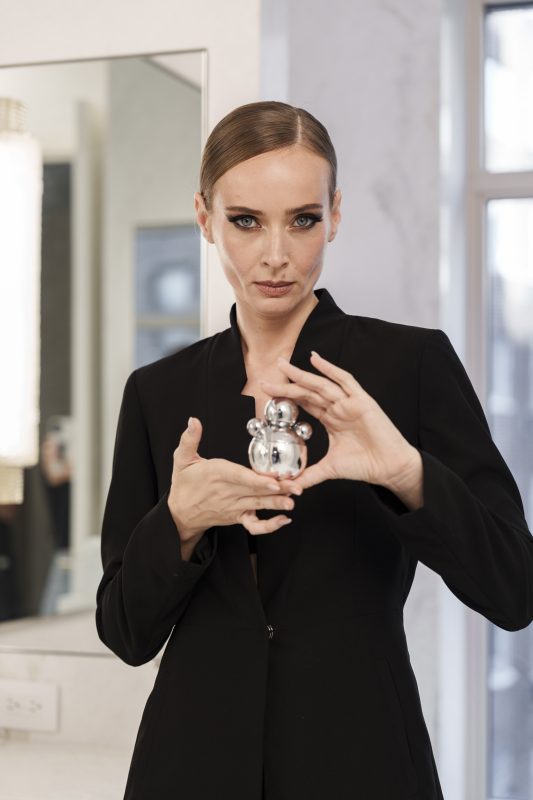
Iris Perfume at a Glance: Five Different Styles
| Fragrance | Iris direction | Choose it when you want |
|---|---|---|
| Prada Infusion d’Iris | Clean floral-woody | Neroli, mandarin, iris pallida and benzoin |
| Frédéric Malle Iris Poudre | Aldehydic, powdery, musky | Classic softness with rose, violet and tonka |
| Chanel N°19 Poudré | Green, powdery, musky | Iris pallida against galbanum and white musk |
| Dior Homme Intense | Dark, ambery, woody | Powdery iris with ambrette and warm cedar |
| Santa Maria Novella L’Iris | Green floral, cool, refined | Iris Fiorentina with galbanum, jasmine, musk and ambergris |
These perfumes prove the useful point immediately: “iris perfume” is not one smell. Iris can be almost linen-clean, lipstick-soft, sharply green, warm and masculine, or aristocratically cool.
What Does Iris Smell Like in Perfume?
In finished fragrance, iris is commonly described through several overlapping impressions:
- Powdery: cosmetic, talc-like, soft and smooth.
- Woody: dry, root-like, elegant and slightly earthy.
- Green: cool, vegetal or stem-like when paired with galbanum and fresh materials.
- Floral: graceful and petal-like when surrounded by rose, jasmine or violet effects.
- Suede-like: soft, matte and textural rather than obviously floral.
- Musky: skin-close and diffused when white musk surrounds the iris.
The important distinction is that an iris perfume does not have to smell like a bouquet of fresh iris flowers. The perfumery language of iris is often connected to processed rhizome material and to accords built around that cool, powdery, woody effect.
That is why a person who says “I do not like floral perfume” may still love iris.
Iris vs. Orris: Why We Keep These as Separate Guides
Iris is the plant and the broad fragrance idea. Orris is the perfumery material associated with processed iris rhizomes. In ordinary fragrance language, brands and reviewers sometimes use “iris” when the effect is materially closer to orris.
For SEO and for readers, these are related but not identical questions:
- Iris perfume: What finished fragrances use the iris idea? What styles can it create? Which bottle should I try?
- Orris perfume: What is the material? How is it made? What does orris smell like? How is it different from violet?
This distinction matters because otherwise one site ends up publishing two pages that answer the same question with different vocabulary. On IRFĒ, this page now owns the finished-fragrance and style-selection role; the Orris guide owns the material role.
1. Prada Infusion d’Iris: Clean, Polished Iris
Prada Infusion d’Iris Eau de Parfum is one of the easiest references for a clean, elegant iris style. Prada lists iris pallida with neroli, mandarin and benzoin in a floral-woody composition.
The structure explains the mood. Neroli and mandarin give the opening clarity; iris supplies the cool powdery-woody center; benzoin softens the base without turning the perfume into a full gourmand.
If you are afraid iris will smell old-fashioned or overly cosmetic, this is a useful place to begin. The composition feels polished rather than theatrical.
Prada also shows why mandarin can be such a useful partner for iris: citrus gives the powdery structure air and movement.
Choose it for: clean tailoring, daytime wear, understated elegance and a soft floral-woody signature.
2. Frédéric Malle Iris Poudre: Aldehydes, Musk and Classic Powder
Frédéric Malle Iris Poudre, composed by Pierre Bourdon, takes iris into the language of classic aldehydic florals. The official composition places iris with rose, violet, ylang-ylang, sandalwood, musk and tonka bean.
The result is deliberately more cosmetic and enveloping than Prada. Aldehydes create sparkle. White musk gives a silky background. Tonka contributes creamy warmth. Rose and violet reinforce the powdery floral impression.
This is the iris for someone who likes softness with structure. It feels feminine without needing syrupy sweetness, and formal without becoming stiff.
If that musky-powdery effect is the part you enjoy most, compare it with our amber and musk guide and the broader feminine perfume selection.
Choose it for: powder, white musk, aldehydic polish and a more classical feminine silhouette.
3. Chanel N°19 Poudré: Green Iris with White Musk
Chanel N°19 Poudré Eau de Parfum builds around the house’s iris pallida–galbanum accord, softened by white musk and woody vetiver.
This is where iris turns greener and cooler. Galbanum gives the perfume a cut-stem sharpness; iris creates the powdery body; white musk rounds the edges.
Compared with Iris Poudre, Chanel is less plush. Compared with Prada, it feels greener and more pointed. That contrast is useful because all three could be described as “powdery iris,” yet they occupy different wardrobes.
The green structure also shows how iris can sit naturally beside other floral families without becoming a conventional bouquet. If you want a denser white-floral comparison, look at tuberose perfume or jasmine perfume.
Choose it for: green polish, white musk, vetiver and a cooler powdery style.
4. Dior Homme Intense: Iris with Amber and Cedar
Dior Homme Intense proves that iris does not belong to one gender. Dior combines powdery iris with ambrette and warm cedarwood, describing the perfume through modern masculinity and a sensual ambery-woody structure.
The iris effect remains clearly powdery, but the surrounding materials make it darker, richer and more architectural. Ambrette gives a musky-fruity softness. Cedar provides dry structure. The overall effect feels closer to tailored evening wear than to a cosmetic powder box.
That makes Dior Homme Intense especially useful on this page. It keeps the word “iris” while moving the scent far away from the stereotype that powder automatically means delicate or feminine.
For another way dry wood changes a floral note, compare our sandalwood perfume guide. Men who want to place this style inside a broader wardrobe can also use the current men’s fragrance trends guide or our broader perfumes for men coverage.
Choose it for: dark iris, amber, cedar, evening wear and a more assertive powdery structure.
5. Santa Maria Novella L’Iris: Green Floral Iris with Florentine Roots
Santa Maria Novella L’Iris Eau de Parfum gives iris a historically grounded Florentine context without turning the perfume into a history lesson. The official notes list galbanum, Timur pepper and neroli on top; geranium, magnolia champaca and jasmine sambac in the heart; and Iris Fiorentina, musk and ambergris in the base.
The style is green, floral and powdery. Compared with Chanel N°19 Poudré, L’Iris places more emphasis on a broad floral heart. Compared with Prada, it feels more botanical and less minimalist.
Santa Maria Novella also explains the material distinction clearly: the perfume’s iris story is connected to the rhizome and to orris, not merely to the smell of a fresh flower. That makes it an ideal bridge between this finished-fragrance page and the deeper orris material guide.
Choose it for: green florals, jasmine, cool powder and a more botanical interpretation.
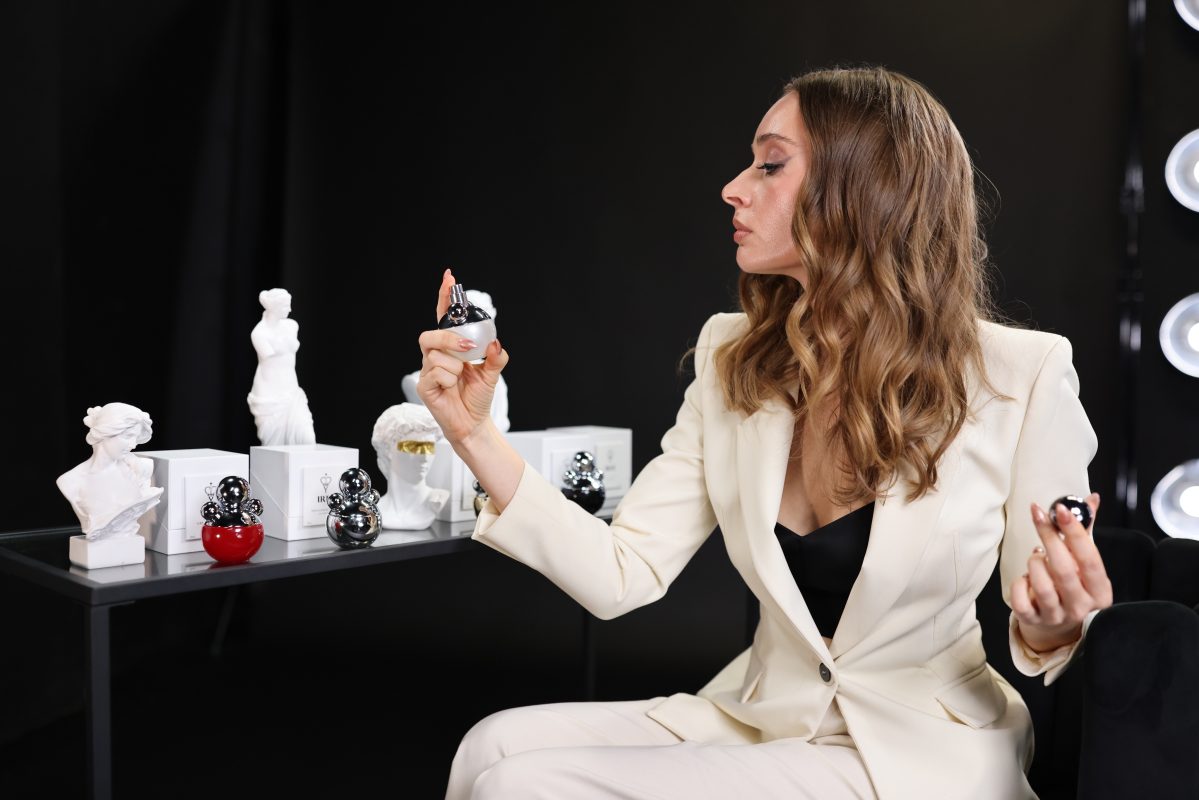
Five Iris Perfume Styles You Can Recognize
1. Clean iris
Neroli, citrus, pale woods and benzoin can make iris feel freshly pressed and architectural rather than overtly powdery. Prada Infusion d’Iris is the clearest example here.
2. Cosmetic-powder iris
Violet, rose, aldehydes, tonka and white musk emphasize the lipstick, face-powder or silk-scarf associations of iris. Iris Poudre lives in this family.
3. Green iris
Galbanum, vetiver, herbs and fresh stems sharpen iris and make the powder feel cool rather than creamy. Chanel N°19 Poudré is a useful reference.
4. Dark woody iris
Cedar, amber, leather and spice can give iris more weight and shadow. Dior Homme Intense shows how effective this direction can be.
5. Floral iris
Jasmine, rose, magnolia and other flowers can make iris part of a larger bouquet while preserving its powdery-woody texture. Santa Maria Novella L’Iris leans this way.
How Other Notes Change Iris
With neroli and citrus
Iris becomes brighter and cleaner. The powder feels less cosmetic and more polished.
With vanilla
Vanilla can make iris creamier and warmer. Too much sweetness can push the fragrance toward gourmand territory; a restrained amount can simply soften the woody dryness.
If vanilla is the main attraction, the better next stop is our vanilla perfume guide.
With jasmine and tuberose
White flowers add volume and sensuality. Iris becomes less solitary and more integrated into a floral body.
With woods
Cedar, sandalwood and vetiver emphasize structure and dryness. The iris can feel more tailored and less cosmetic.
With amber or musk
Amber and musk soften the edges and create a warmer skin effect. The result can feel quieter and more intimate even when the composition remains persistent.
With leather
Leather can make iris feel suede-like, matte and more dramatic. It is one of the easiest ways to push powder into a darker wardrobe.
Is Iris Perfume Feminine or Masculine?
Both, and often neither in any useful sense.
Iris has long appeared in fragrances marketed across gender categories. The surrounding structure usually determines how the perfume is perceived. Rose, violet and soft musk can read as traditionally feminine. Cedar, leather and darker amber can read as traditionally masculine. Minimal woods and clean musk can feel entirely unisex.
Dior Homme Intense is the obvious proof that powdery iris can anchor a major men’s fragrance. Chanel and Frédéric Malle show the more classically feminine side. Prada sits comfortably between those conventions.
Choose by texture, not department-store signage.
How Iris Perfume Changed Across Fragrance Styles
Iris has appeared in very different fragrance languages over the last century, which is another reason the note resists one simple definition.
Classic powder and aldehydes
In older floral structures, iris often sat beside aldehydes, rose, violet, musk and woods. The effect could feel polished, cosmetic and deliberately formal. Frédéric Malle Iris Poudre consciously revisits that tradition rather than pretending powder is a new trend.
Green modernism
Galbanum, vetiver and dry woods turned iris into something sharper and more architectural. Chanel N°19 is one of the clearest references for this contrast: powdery iris does not soften the whole perfume into sweetness because the green structure keeps cutting through it.
Minimalist clean iris
Contemporary iris can feel almost like fabric, soap or pale wood. Neroli, transparent citrus and soft resin make the perfume feel quiet and designed rather than vintage. Prada Infusion d’Iris sits naturally in this space.
Dark masculine iris
Iris also became a major tool for modern men’s perfumery. When surrounded by cedar, amber, leather or spice, the same powdery quality can feel tailored and shadowed rather than cosmetic. Dior Homme Intense is the obvious example.
Botanical and artisanal iris
Some houses emphasize provenance, greenery and the cultivated plant itself. Santa Maria Novella L’Iris connects the material to Florentine iris cultivation while still presenting a finished perfume with pepper, neroli, jasmine, musk and ambergris.
This history matters for shopping because “iris perfume” can point to any of these aesthetics. The note name alone is not enough.
Powdery Does Not Mean Sweet
One of the most common mistakes with iris is treating powder and sweetness as synonyms.
Powder is a texture impression. It can feel dry, cool, cosmetic, chalky, velvety or soft. Sweetness is a separate dimension.
Chanel N°19 Poudré is powdery but also green. Dior Homme Intense is powdery with amber and cedar. Prada Infusion d’Iris is powdery in a clean woody-floral way. Iris Poudre becomes softer and creamier because tonka and musk surround it.
This distinction helps if you dislike gourmand perfume. You may still enjoy iris because powder can remain dry and elegant without turning into vanilla frosting.
Iris Perfume and Concentration
EDT, EDP and Parfum versions can change how iris feels, but concentration is not simply a volume knob.
A lighter concentration may emphasize citrus, greenery or lift. A denser version may make woods, musk, amber or powder feel more continuous. Brands can also rebalance the formula between versions.
That matters with iris because the note often sits in the heart or drydown. A richer concentration can make the iris texture more obvious later even if the opening seems similar.
When comparing two versions, test the exact concentration rather than assuming the Parfum is simply “more iris.”
How to Sample Iris Perfume Properly
Use paper for the first screen
A blotter is useful for rejecting styles you clearly dislike. If strong powder, green galbanum or dark amber immediately feels wrong, you do not need to force a skin test.
Move finalists to skin
Iris perfumes can change significantly as musk, woods and warmth emerge. Skin testing shows whether the powder becomes soft, dry, creamy or too cosmetic for you.
Give the drydown time
Do not make the final decision in the first ten minutes. Iris often becomes more coherent after bright top notes settle.
Compare one style at a time
Testing five powdery perfumes on one arm creates olfactory fog. Compare two or three at most, then return on another day.
Write down texture words
Instead of only “like” or “dislike,” note words such as clean, green, suede, cosmetic, woody, creamy, cool or musky. Those descriptions help you understand which iris direction actually works for you.
Iris Perfume by Season
Spring
Green and floral iris feels natural in spring because cool woods, neroli and fresh flowers mirror the season without becoming a generic fresh floral.
Summer
Clean iris with citrus, musk or neroli can work beautifully in heat. Dense powder, amber and leather may require a lighter hand.
Autumn
Woody iris becomes especially compelling as weather cools. Cedar, vetiver, benzoin and leather can give the note more depth.
Winter
Amber, tonka, musk and darker woods make iris feel enveloping without requiring a sugary gourmand profile.
Season is a wearing suggestion, not a rule. A clean iris can work year-round if the style fits your wardrobe.
Iris Perfume by Wardrobe and Mood
Minimalist tailoring
Prada Infusion d’Iris works well when the clothing is clean-lined, pale or neutral. The fragrance acts almost like another fabric texture.
Soft formal dressing
Iris Poudre suits silk, satin, cashmere and classic evening clothes because its aldehydic-musky powder feels deliberately composed.
Sharp black tailoring
Dior Homme Intense gives iris a darker edge. It works when the wardrobe wants contrast between softness and structure.
Green daytime style
Chanel N°19 Poudré brings galbanum and vetiver into the picture, making it a useful choice for someone who wants polish without sweetness.
Romantic botanical style
Santa Maria Novella L’Iris feels connected to flowers, greenery and old-world craftsmanship without smelling like a literal garden bouquet.
This is where perfume and fashion genuinely meet: not through invented “rules,” but through compatible texture and mood.
When Iris Feels Too Powdery
If an iris perfume reads as makeup bag, talc or lipstick in a way you dislike, look at the supporting notes before giving up on the category.
- Choose citrus or neroli for more lift.
- Choose galbanum or vetiver for greener dryness.
- Choose cedar or leather for darker structure.
- Choose musk for a softer skin effect.
- Avoid heavy violet, tonka or vanilla if cosmetic sweetness is the problem.
The point is not to “fix” iris. It is to find the version of the note whose texture fits you.
When Iris Feels Too Dry or Cold
The opposite problem also exists. Some iris perfumes can feel austere, rooty or distant.
Warm materials such as benzoin, amber, vanilla, tonka and soft musk can make the structure more embracing. Floral partners such as rose or jasmine can add body. A little fruit can create movement without turning the perfume gourmand.
This is why benzoin appears so naturally beside iris in some compositions: balsamic warmth rounds the dry texture without erasing it.
Does Iris Perfume Last Long?
There is no universal iris longevity. Some iris perfumes are dense and persistent; others are intentionally transparent.
The supporting formula matters more than the note name. Amber, woods, musk, benzoin and tonka can create a longer drydown. Citrus-heavy or very airy interpretations may feel lighter even when iris remains present close to skin.
Judge the exact fragrance rather than assuming powder automatically means long-lasting.
How Iris Connects to Other Note Families
Iris can act as a bridge rather than a soloist.
With jasmine, it can make a white floral smoother and more composed. With rose, it can add cosmetic elegance. With mandarin or neroli, it becomes brighter and more polished. With woods, it becomes tailored. With vanilla, it becomes creamy. With musk, it becomes skin-like.
That flexibility is one reason iris appears in fragrances marketed to women, men and everyone between.
How to Choose an Iris Perfume
Start with the powder question
If you dislike cosmetic powder, begin with cleaner or darker styles such as Prada Infusion d’Iris or Dior Homme Intense. If powder is exactly what you want, Iris Poudre and N°19 Poudré belong higher on the list.
Decide whether you want green or warm
Galbanum and vetiver make iris cooler and greener. Amber, vanilla, tonka and musk make it warmer and softer.
Look at the surrounding flowers
Rose and violet reinforce classic powder. Jasmine and tuberose create more volume. Magnolia can make the floral effect smoother and more luminous.
Test the drydown
Iris perfumes often become more interesting after the opening. A citrus or green start can give way to powder, woods and musk over time.
Sample before deciding
Powdery notes are extremely personal. One wearer reads elegance; another reads cosmetics. Skin testing is much more useful than buying from a note list alone.
Iris Perfume for Work, Evening and Everyday Wear
Work
Clean or green iris works especially well when you want polish without an oversized fragrance cloud. Prada and Chanel are easy references.
Evening
Dark iris with amber, cedar or leather has more visual weight. Dior Homme Intense shows this direction clearly.
Everyday
A soft iris-musk or iris-neroli composition can be easy to wear because it feels dressed without requiring a formal setting.
Gifting
Iris is elegant but not universally safe as a blind buy because powdery notes divide opinion. If the recipient already likes violet, musk, lipstick-style florals or clean woody perfumes, the odds improve. For broader gifting choices, use the current gift guide.
How Iris Relates to the IRFĒ Collection
Maison IRFĒ does not need every editorial note guide to pretend the house sells a dedicated iris soliflore. The better role is comparison.
Centifolia Rose uses orris in its note structure, which makes it relevant to the material discussion even though rose remains the perfume’s central identity. If that is the part you want to understand, use the Orris guide rather than forcing Centifolia Rose into an “iris perfume” label.
Across the collection, powder, musk, vanilla, woods and florals show several of the same supporting textures that make iris compositions work. That makes the editorial connection useful without inventing a product claim.
Iris, Orris and Violet: The Quick Distinction
- Iris: the plant name and common fragrance language for the overall effect.
- Orris: perfumery material derived from aged iris rhizomes.
- Violet: a separate flower and fragrance idea that can share powdery or ionone-like associations with iris.
These materials and accords can resemble one another enough to confuse new perfume buyers. That is normal. The smell vocabulary overlaps even when the botanical source does not.
Questions About Iris Perfume
What does iris perfume smell like?
Iris perfume often smells powdery, woody, cool, soft and slightly earthy. Depending on the formula it can also feel green, floral, musky or suede-like.
Why does iris perfume smell powdery?
The powdery effect is strongly associated with orris materials and iris-style accords used in perfumery. Violet-like and ionone-related effects can reinforce the cosmetic impression.
Is iris perfume the same as orris perfume?
Not exactly. Iris is the broader plant and fragrance term; orris refers to perfumery material from processed iris rhizomes. In commercial fragrance language the terms often overlap.
What is a good iris perfume to start with?
Prada Infusion d’Iris is a clean, approachable starting point. Frédéric Malle Iris Poudre is more classic and powdery; Chanel N°19 Poudré is greener; Dior Homme Intense is darker and woodier; Santa Maria Novella L’Iris is more botanical and floral.
Can men wear iris perfume?
Absolutely. Dior Homme Intense is a major example built around powdery iris, ambrette and cedar. Iris itself is not inherently feminine.
What notes pair well with iris?
Neroli, mandarin, rose, violet, jasmine, sandalwood, cedar, vetiver, musk, amber, vanilla and benzoin can all work well depending on the desired direction. For a resinous softening effect specifically, see the benzoin perfume guide.
Is iris perfume sustainable?
Natural orris is slow and resource-intensive to produce, so sourcing and material efficiency matter. Modern perfumes may combine natural materials with synthetic aroma molecules to achieve an iris effect. “Natural” and “eco-friendly” are not interchangeable claims; broader brand practices belong in a separate clean perfume brands discussion.
Bottom Line
Iris perfume is best understood as a style family rather than one fixed smell. It can be clean, powdery, green, woody, musky or dark.
Start by deciding which texture you want, then smell finished perfumes rather than buying from the word “iris” alone. And when the question becomes the raw material itself, move to the Orris guide instead of asking two pages to do the same job.
