


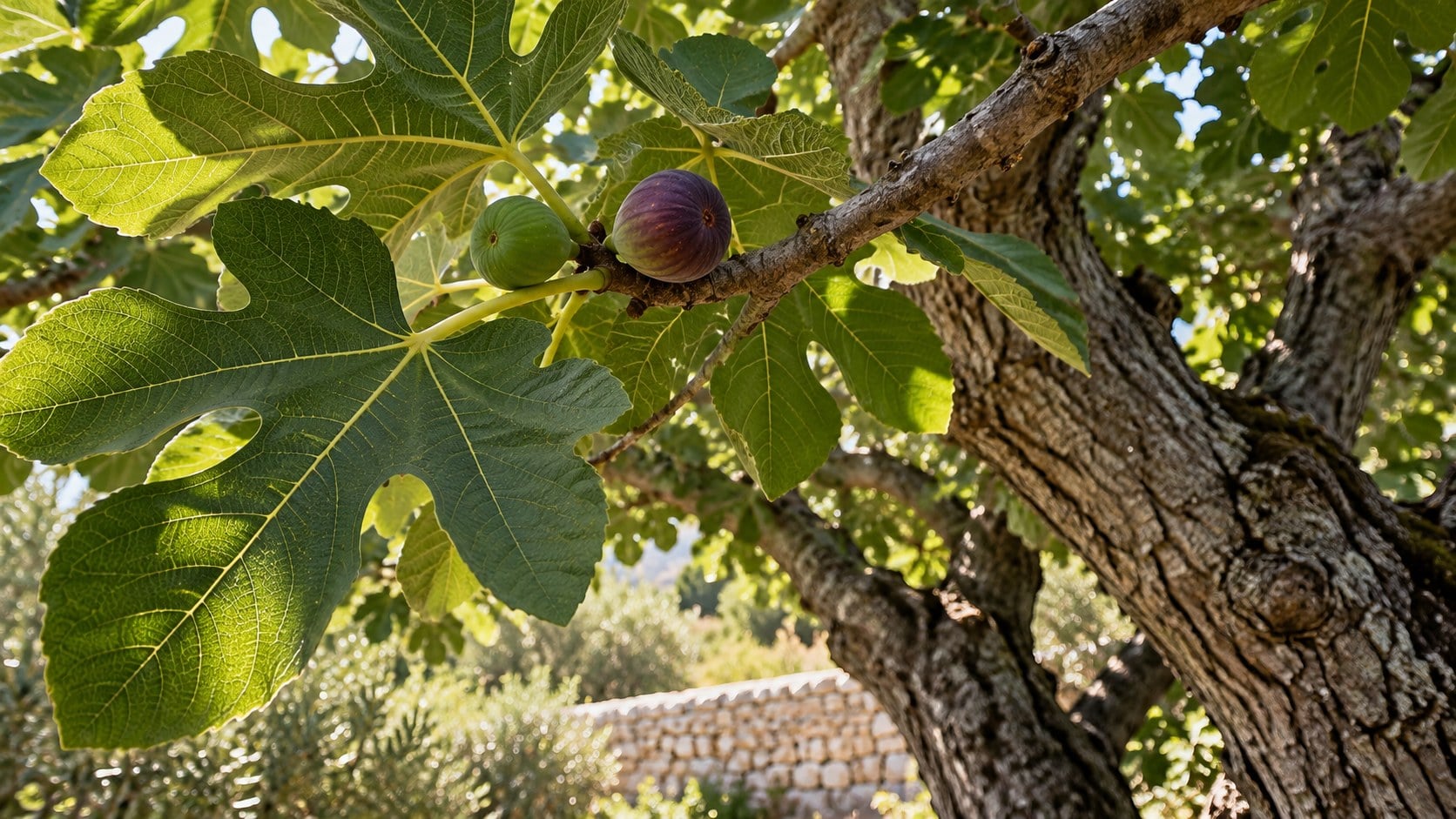
The most interesting part of a fig perfume may be something you would leave behind at the fruit shop: a leaf, a branch, the dry roughness of wood around the sweetness.
Fig is unusually generous that way. It can suggest green shade, milky softness, ripe pink flesh or the warmth of a tree in the sun. A fragrance can choose one part and leave another almost out of view. That is why two fig perfumes may have less in common than their names suggest.
I am especially fond of the leaf. It keeps the fruit from becoming too comfortable. But a good creamy or fruity fig has its own attractions, particularly when the composition leaves a little texture around it.
The eleven fragrances below follow the tree in different directions, from Diptyque Philosykos and L’Artisan Parfumeur Premier Figuier to creamier, floral, tea-filled and peppery interpretations. Philosykos appears in both Eau de Toilette and Eau de Parfum: twelve exact versions, rather than twelve separate fragrances.
Philosykos: the tree has two perspectives
Diptyque Philosykos Eau de Toilette describes the green freshness of leaves, milky fruit and the density of white wood. Diptyque links the fragrance to the memory of crossing wild fig groves at Mount Pelion in Greece. The memory belongs to the perfume’s house story; the useful thing for choosing is its attention to the whole tree.
That is a beautiful decision. Fruit has plenty of admirers already. Giving the leaf and wood equal standing makes the fig feel like a place with depth, rather than one sweet note presented for inspection.
In the Philosykos Eau de Parfum, Diptyque explicitly moves the fruit back and brings white cedar forward to underscore the tree’s wood and bark. The product page still lists fig leaves, sap and wood, with black pepper, but the stated balance changes.
I would make room for both versions in a first exploration. The point is not to assume that the Eau de Parfum is simply the same image made louder. The house is offering a changed perspective. If your attraction is the green-and-milky fig, the Eau de Toilette deserves its own hearing; if the bark and wood are what you want to stay with, the Eau de Parfum becomes particularly interesting.
Before the fruit bowl: Premier Figuier
L’Artisan Parfumeur Premier Figuier Eau de Toilette is another particularly useful fig reference. The house dates Olivia Giacobetti’s creation to 1994. Its current key-note presentation names fig leaf, fig and cedarwood.
The title’s promise is wonderfully uncomplicated: here is a fig tree. The composition gives a reader interested in leaves and wood somewhere to begin without asking for a heavy sweet-fruit structure.
There is a separate Premier Figuier Extrême Eau de Parfum, whose current key notes put sandalwood beside fig leaf and fig. That is worth knowing because shortened online descriptions can make the two look interchangeable. The Eau de Toilette is the version considered here; the sandalwood of the other product should not drift into its list just because the family name is familiar.
What I like about putting Premier Figuier beside Philosykos is the change of attention it encourages. “Fig” stops being a flavor to recognise correctly and becomes an arrangement of leaf, fruit and wood. You can enjoy the composition without asking it to imitate the piece of fruit in your hand.
A garden has other plants in it
Hermès Un Jardin en Méditerranée Eau de Toilette puts the fig tree beside green lentisk and oleander. The house’s Tunisian-garden inspiration makes that company particularly useful: this is a planted setting rather than a close-up of one ripe fruit.
Lentisk introduces another green reference. Oleander changes the floral surroundings. For someone attracted to the leaves and branches of Philosykos, this is a way to let the garden grow beyond the fig tree without turning the composition into a fruit bowl. It also offers an alternative to the creamier coconut-milk route that follows.
Un Jardin sur le Nil is a different Hermès garden, with green mango, lotus and sycamore in its description. Shared garden titles should not do the work of checking which fruit and which trees you are actually choosing.
Fig & Lotus Flower moves towards water
In Jo Malone London Fig & Lotus Flower Cologne, fig leaf, lotus flower and vetiver take the idea in a more watery-floral direction. The lotus gives a softer, open setting to the greenery, while vetiver keeps a woody interest below.
I find that a useful change from treating fig as inevitably rich and creamy. The appeal is a lighter floral conversation around the leaf, especially if you want some greenness but find a very bark-centered description too austere. The reference is the Cologne, not a home fragrance bearing the same scent name.
Debaser lets the flesh become extravagant
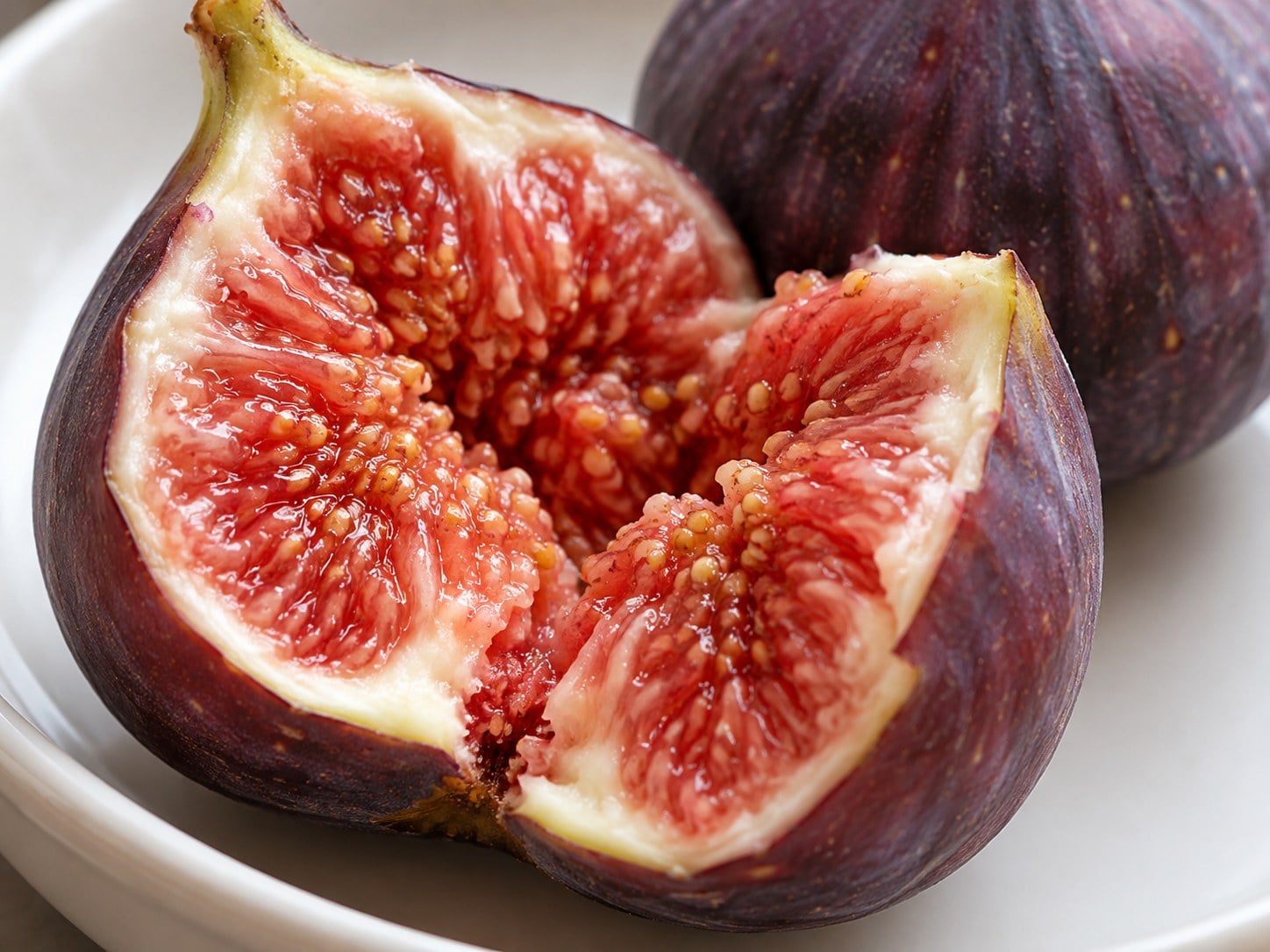
D.S. & Durga Debaser Eau de Parfum gives fig a more pulpy, creamy context. Bergamot, green leaf and pear stem lead to fig, coconut milk and iris; blond woods, tonka and moss form the base.
The pear stem is a good detail. It keeps a green connection in the description even as coconut milk and tonka make the fruit feel fuller. This is a different sort of abundance from a fruit perfume made mostly through sugar.
Debaser’s name is borrowed from a very different imaginative world than a quiet botanical label. The house connects it with indie rock and summer heat. I can see the appeal of that slightly unruly setting for a fig: there is no obligation for a green, creamy perfume to behave with perfect composure.
That creaminess has green stems and dry woods around it. The pleasure is in the fuller fruit finding a setting that still has definition.
If that texture is what interests you most, our milky perfume guide opens into other subjects. Debaser remains a fig composition, with milkiness as part of its character.
Father Figure gives creaminess a different texture
Phlur Father Figure Eau de Parfum opens its published description with fig and cassis, then brings in orris root, iris, jasmine, sandalwood, vanilla and skin musks. Waterlily is named among the top notes, too.
That is a different kind of fullness from Debaser’s coconut milk and tonka. Here, iris and musk help set the fruit within a softer floral-woody picture, with cassis providing another green-fruity point of interest. You can want a creamy fig without wanting the coconut association; Father Figure gives that preference a concrete place to start.
Gris Charnel moves the fig beside tea
In BDK Gris Charnel Eau de Parfum, fig, black tea and cardamom are the opening notes. Iris and Bourbon vetiver follow, with Indian sandalwood and tonka underneath.
Cardamom gives the fruit a fascinating neighbor. The published arrangement moves away from the immediate idea of fresh fig flesh and towards a warmer interplay of tea, powder and wood. I find the fig more interesting here for not having to carry every part of the composition.
The iris matters as much as the spice. It gives another kind of softness, different from Debaser’s coconut milk. Two perfumes can suggest creaminess without making the same proposal at all.
Thé Noir 29 dries the tea leaves
Le Labo Thé Noir 29 Eau de Parfum places fig with bergamot and bay leaves, then cedarwood, vetiver and musk. Le Labo also describes a black-tea extraction that contributes dry leaf, hay and tobacco-like facets.
The dry leaf is what draws my attention. Beside Gris Charnel’s cardamom and iris, this is another way to give fig a tea setting, with a different emphasis. The fruit can soften the composition without becoming its only subject. Someone looking for a straightforward portrait of milky fig flesh may find that the surrounding tea and woods are a much larger part of the attraction.
Thé Noir 29 is not Thé Matcha 26. The tea references and their companions differ; a number is not a concentration scale.
Purple Fig keeps a peppery green edge
Vilhelm Parfumerie Purple Fig Eau de Parfum gives us a useful interruption to all this creaminess. Its current published notes put Sichuan pepper and angelica seeds above galbanum, green fig and jasmine absolute, with vetiver and cashmere woods below.
The green fig has company that can sharpen the idea rather than sweeten it. Galbanum and pepper make this a particularly interesting candidate for someone who wants the leaf to remain part of the pleasure after the first impression. Jasmine prevents the description from becoming entirely about a dry green edge.
I like that the purple name does not oblige the perfume to become a bowl of purple jam. The fig can keep its stem, its shade and a little resistance.
Fico di Amalfi starts with the light turned up
Acqua di Parma Fico di Amalfi Eau de Toilette brings lemon, bergamot and grapefruit to fig nectar, pink pepper and jasmine petals, then fig wood, cedarwood and benzoin.
After the cardamom and iris, that citrus opening makes an appealing change of scale. The fruit is allowed a brighter setting. Fig does not have to mean either a dense creaminess or a shadowed wood.
I would start here when citrus freshness is an essential part of what you want, while still giving the fig-and-wood development time to emerge. It is a useful summer-minded candidate without needing a claim that it can only be worn in one season.
The citrus makes a lively alternative to the creamier or more tea-centered compositions above. The reference is the Eau de Toilette; La Riserva Eau de Parfum is a separate product.
Dioriviera lets a rose into the branches
Dior Dioriviera Eau de Parfum makes a clear choice: rose beside green fig. Dior connects its May-rose and fig-leaf idea with the French Riviera. The flower is not a decorative afterthought to a standard creamy fig; the contrast is the point of the composition.
That is an appealing route for a floral-perfume wearer who likes the idea of fig but does not want to leave flowers behind. The green note can put a boundary around the rose, while the rose gives the leafy subject a different fullness from coconut milk or iris.
Against Fico di Amalfi, the distinction is easy to keep in mind: a citrus-fruity fig on one side, a rose-and-green-fig relationship on the other. Two sunny associations, with quite different things growing in them.
A small map of the tree
Keep the version in view as well as the part of the tree that attracts you.
| Exact version | What gives the fig its setting | Why consider it |
|---|---|---|
| Diptyque Philosykos EDT | Leaf, milky fruit, white wood | A whole-tree introduction |
| Diptyque Philosykos EDP | A stated emphasis on white cedar and bark | The woodier perspective |
| L’Artisan Premier Figuier EDT | Fig leaf, fig, cedarwood | A green-and-woody reference |
| D.S. & Durga Debaser EDP | Pear stem, coconut milk, iris, tonka | Pulpy fruit with creamy breadth |
| BDK Gris Charnel EDP | Black tea, cardamom, iris, sandalwood | Fig within a warmer tea-and-wood composition |
| Acqua di Parma Fico di Amalfi EDT | Citrus, fig nectar, jasmine, woods | A brighter citrus-fruity direction |
| Hermès Un Jardin en Méditerranée EDT | Green lentisk, oleander, fig tree | A green garden beyond one tree |
| Jo Malone Fig & Lotus Flower Cologne | Fig leaf, lotus, vetiver | A watery-floral approach |
| Phlur Father Figure EDP | Cassis, iris, orris, musks, sandalwood | A creamy fig without a coconut premise |
| Le Labo Thé Noir 29 EDP | Black tea, bay leaves, cedar, vetiver | Fig among dry leaves and woods |
| Vilhelm Purple Fig EDP | Pepper, angelica, galbanum, vetiver | A more pointed green direction |
| Dior Dioriviera EDP | Rose and green fig | A floral route into the tree |
What a fig note can and cannot tell you
A fig note names an olfactory idea; it does not certify a bottle of fig extract. D.S. & Durga explicitly discusses fig as an accord. Leafy, fruity, creamy and woody effects can be constructed and balanced in different ways.
That makes the surrounding notes useful clues. Coconut milk and tonka suggest a different intention from citrus and pepper; cedar and vetiver take another route. Still, a note list does not tell you their proportions or how clearly you will notice each one.
If a perfume’s opening is very green, stay with it long enough to discover what follows. If it begins with inviting fruit, find out whether the later woods are part of the attraction. The most revealing question is which part of the imagined tree you want to remain.
For another leafy direction, our green tea perfume guide includes a fig-leaf and tea composition. It is an adjoining route for someone who would like the greenness to remain prominent.
The part I would miss
The fruit is easy to like. What keeps the subject alive for me is the space around it: the dry branch, the green shade, the suggestion of something growing rather than something served.
I would miss the leaves.
