


Updated
A beautiful perfume should do more than make a persuasive entrance. I want it to belong to the woman wearing it: to her clothes, her manner, the distance she likes to keep between herself and the room. The best smelling perfume for women is not one universal bottle. It is a composition whose flowers, sweetness, woods, or musk feel intentional on you.
My starting points are CHANEL Coco Mademoiselle for a sharply defined floral signature, Dior J’adore for a generous bouquet, Delina for fruit-lit rose, and Glossier You for a more intimate musky direction. For our own house’s interpretation of rose, Centifolia Rose brings fruit, spice, flowers, and woods into the conversation. These are different pleasures, not interchangeable answers to the same question.
Below are fifteen fragrances I would consider by character, with comparisons to help you narrow the choice.
Best Smelling Perfumes for Women: A Comparison by Character
Use the table to choose two or three different directions before deciding which deserves a full bottle. The individual sections follow its order.
| Perfume and version | Character to explore | Notes or contrasts to notice | Go easy if… |
|---|---|---|---|
| CHANEL Coco Mademoiselle Eau de Parfum | Bright, structured floral | Orange, jasmine, May rose, patchouli, vetiver | You prefer a very simple musk |
| Maison Francis Kurkdjian Baccarat Rouge 540 Eau de Parfum | Luminous woody amber | Jasmine, saffron, ambergris accord, dry woods | You dislike sweet ambery effects |
| Dior J’adore Eau de Parfum | Rounded floral bouquet | Ylang-ylang, Damascus rose, two jasmines | You want flowers only in the background |
| Yves Saint Laurent Libre Eau de Parfum | Aromatic floral contrast | Lavender, orange blossom, vanilla, musk | Lavender is the note you avoid |
| Parfums de Marly Delina Eau de Parfum | Rose with a fruity edge | Lychee, rhubarb, rose, cashmeran, musk | You dislike tart fruit around flowers |
| IRFĒ Centifolia Rose Eau de Parfum | Rose, spice, and polished woods | Pear, pink pepper, Rose Damascena, orris, neroli | You want a rose without fruit or spice |
| Byredo Mojave Ghost Eau de Parfum | Airy floral woods | Ambrette, naseberry, magnolia, violet, sandalwood | You want an overt dessert gourmand |
| Narciso Rodriguez For Her Eau de Toilette | Floral musky warmth | Osmanthus, musk, amber woods | Musk is what usually puts you off |
| Gucci Bloom Eau de Parfum | A full white-floral idea | Tuberose, jasmine, Rangoon creeper | You prefer citrus to rich flowers |
| Lancôme La Vie Est Belle Eau de Parfum | Iris-led gourmand warmth | Iris, patchouli, vanilla, spun sugar | You want very little sweetness |
| Tom Ford Oud Wood Eau de Parfum | Spiced, rounded woods | Cardamom, oud notes, sandalwood, vetiver, amber | You are looking for a fresh floral |
| Le Labo Santal 33 Eau de Parfum | Dry woody and leathery contrast | Cardamom, iris, violet, sandalwood, cedar | You prefer soft edible sweetness |
| Jo Malone London Peony & Blush Suede Cologne | Fruit-touched floral softness | Red apple, peony, jasmine, rose, suede | You want smoke or heavy resin |
| Glossier You Eau de Parfum | A close-wearing musky direction | Pink pepper, iris, ambrette, ambrox | You want a clearly floral centre |
| PHLUR Vanilla Skin Eau de Parfum | Sweet vanilla with a woody frame | Pink pepper, sugar, cashmere wood, vanilla, sandalwood | You are avoiding gourmand sweetness |
What Makes a Perfume Beautiful Enough to Wear Again?
A fragrance counter can make a scent unusually persuasive. The brilliant opening may be gone by the time you are back outside.
I look for a relationship between the opening and the impression that follows. The perfume need not stay unchanged. A bright beginning can settle into something warmer; a dramatic floral can become quieter. What matters is whether that transition feels like part of the same idea, rather than the disappearance of everything you liked.
Texture is another useful question. A rose can feel crisp or velvety. A woody scent can suggest a polished surface or something rougher and drier. These are ways of expressing a sensory impression, not grades of quality. A perfume does not become better simply because its description sounds more expensive.
Finally, there is proportion. The detail that makes a fragrance interesting to you may be the detail another woman finds too much. I would rather identify that difference honestly than promise that a particular perfume will suit everyone. Even a beautifully cut garment needs the right person inside it.
Fifteen Perfumes, Fifteen Reasons to Consider Them
1. CHANEL Coco Mademoiselle Eau de Parfum: Brightness with Structure
For a woman who wants flowers without a purely romantic mood, Coco Mademoiselle Eau de Parfum is a useful place to begin. CHANEL describes an orange opening, jasmine and May rose at the heart, and patchouli with vetiver in the finish. The attraction is that tension between brightness and a more defined foundation.
When comparing it with J’adore, ask whether you want the flowers to have that firmer outline or prefer the idea of a more continuous bouquet. Beside Glossier You, the question changes again: do you want a distinctly composed floral statement or a musky impression with less floral emphasis?
2. Maison Francis Kurkdjian Baccarat Rouge 540 Eau de Parfum: A Luminous Amber
Some perfumes invite an image rather than the naming of a flower. Baccarat Rouge 540 Eau de Parfum belongs in that discussion. The house describes jasmine and saffron against an ambergris accord and dry woods, with a gourmand facet from ethyl maltol. The central contrast is transparency beside density. The separate Extrait introduces bitter almond into the picture. A sample labelled Extrait therefore answers a different question from this Eau de Parfum.
My fashion association is a small, striking piece of jewellery against an otherwise restrained look. One point of interest can be enough. That is why I would consider this direction for someone who likes an ambery impression but does not necessarily want the familiar weight of a vanilla-led gourmand.
Longevity note: Maison Francis Kurkdjian describes the Eau de Parfum as having a long-lasting sillage. That suits the character here: Baccarat Rouge 540 is not only about the first luminous effect, but about the woody-amber aura that keeps hovering after the opening has settled.
3. Dior J’adore Eau de Parfum: The Pleasure of a Bouquet
J’adore Eau de Parfum brings together ylang-ylang, Damascus rose, jasmine grandiflorum, and jasmine sambac. Dior presents the result as an imagined flower rather than a literal reconstruction of one bloom. That makes it a useful reference when the desired effect is a rounded bouquet, not a sharply isolated rose. Parfum d’Eau’s water-based, alcohol-free formula and the separate L’Or are other J’adore interpretations; the bouquet described here is the original Eau de Parfum.
J’adore’s ylang-ylang, rose and jasmine give the bouquet a different balance from Bloom’s tuberose-led garden. Libre adds lavender if you want an aromatic contrast.
4. Yves Saint Laurent Libre Eau de Parfum: Flowers with an Aromatic Edge
The interesting question with Libre Eau de Parfum is what lavender does beside orange blossom. YSL’s description also brings in vanilla and musk. It is a floral direction with an aromatic counterpoint, rather than flowers softened only by more flowers. Intense adds an orchid emphasis, while Le Parfum brings a saffron accord into the family. For the lavender–orange blossom balance above, stay with the original Eau de Parfum.
For someone who enjoys a floral but finds a conventional bouquet too decorative, Libre deserves a comparison. Notice whether the aromatic detail is the reason you return to it. A note should not become something you endure while waiting for the rest of the fragrance to arrive.
YSL itself positions Libre Eau de Parfum as a long-lasting perfume. The warm vanilla-and-musk frame gives the lavender and orange blossom somewhere to go after the first brightness, so the signature can carry beyond the opening instead of vanishing with it.
5. Parfums de Marly Delina Eau de Parfum: Rose with a Fruity Spark
A romantic perfume need not be solemn. Delina Eau de Parfum combines a lychee-and-rhubarb opening with Damascena rose, then cashmeran, musks, and vetiver in the house’s published pyramid. Fruit gives the rose a particular context; it is not merely a decorative note beneath a familiar floral name.
Delina’s lychee and rhubarb give its rose a different opening from the pear, pink pepper, orris and neroli in Centifolia Rose. If rose draws you to both, start with those surrounding details.
6. IRFĒ Centifolia Rose Eau de Parfum: Rose with a Clear Point of View
In our own collection, Centifolia Rose Eau de Parfum begins with bergamot, pink pepper, and pear. The published heart names Rose Damascena, orris, and neroli, followed by cedarwood, sandalwood, and white musk. Its title should not be read as a complete botanical ingredient list; the note pyramid provides the more specific description.
The house’s “Lady in Red” inspiration gives me a natural styling direction: colour used decisively rather than apologetically. But red need not mean an entire red dress. It might be one accent in an otherwise quiet look. The same idea helps explain why I am interested in rose with fruit, spice, and a defined woody setting.
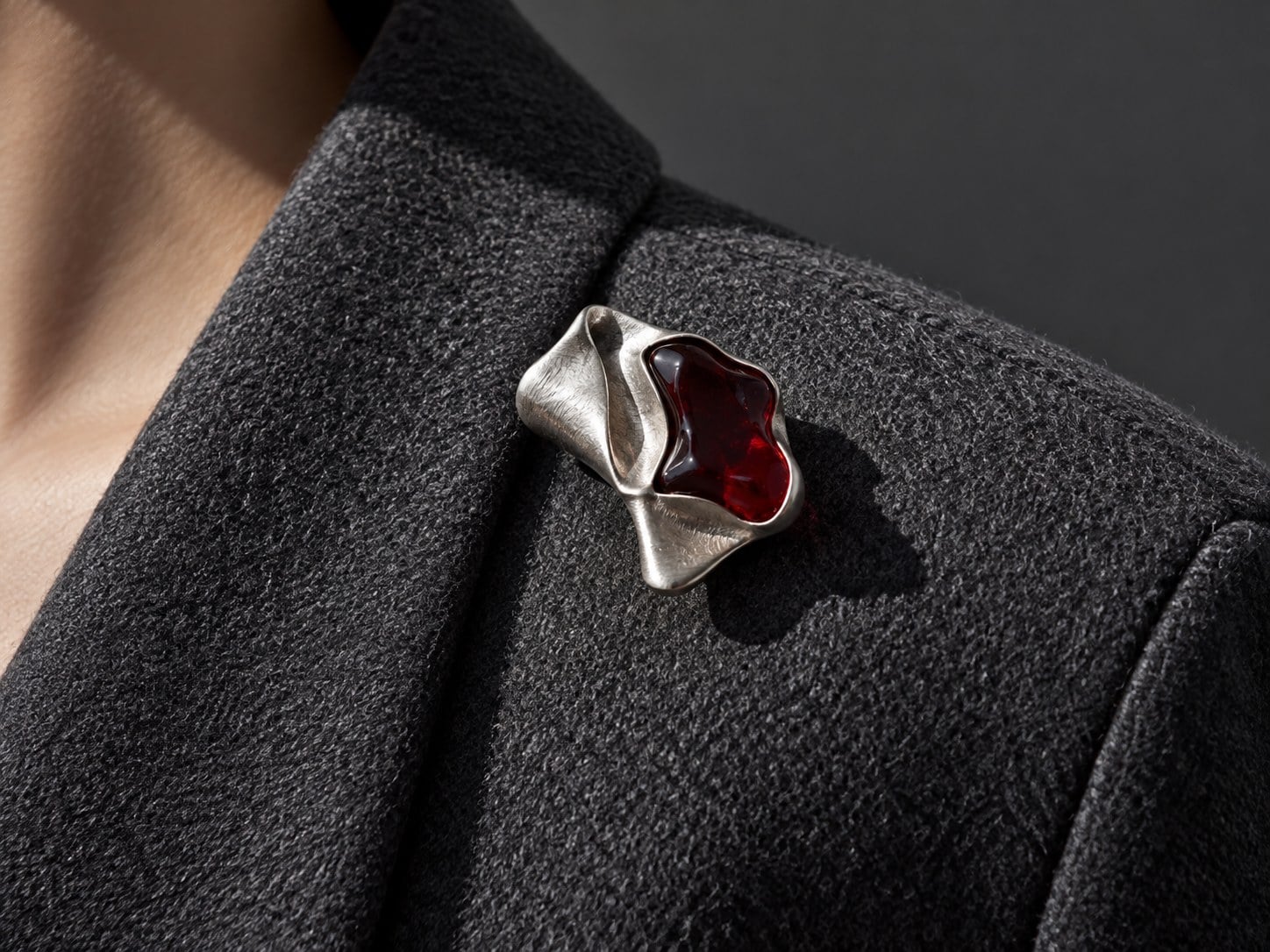
Compare the fruity-spiced opening with the rose heart, then decide whether you enjoy the woody-musky finish as much as the first impression.
7. Byredo Mojave Ghost Eau de Parfum: Space around the Flowers
For a different relationship between flowers and woods, consider Mojave Ghost Eau de Parfum. Byredo lists ambrette and naseberry above magnolia, sandalwood, and violet, with cedarwood, musks, and vetiver in the base. The house classifies the fragrance as woody.
What interests me is the idea of space. Not every composition needs a dense floral centre or an emphatic sweetness to feel complete. Airy describes that character, not a measured wear time. The Absolu reworks its woody emphasis, and the body mist is a separate format.
8. Narciso Rodriguez For Her Eau de Toilette: The Shape of Musk
The black-bottle For Her Eau de Toilette has a clear point of departure: osmanthus, a heart of musk, and amber woods. Rather than asking which flower dominates an entire bouquet, it invites you to consider the relationship between a floral detail and musky warmth. The pink Eau de Parfum and white-bottle Pure Musc make different choices within the family; the black EDT is the reference for this floral-amber frame.
That is the direction I would explore when perfume should feel intimate without becoming anonymous.
Glossier You makes a useful comparison because its pink pepper, iris, ambrette, and ambrox create another route into a musky idea. The choice is not simply “Which musk is best?” Ask whether you prefer a clearer floral-amber frame or the skin-scent concept of You.
9. Gucci Bloom Eau de Parfum: Flowers Allowed to Be Flowers
There is something satisfying about a composition that commits to its subject. Gucci Bloom Eau de Parfum is built around tuberose, jasmine, and Rangoon creeper. Gucci’s garden imagery is an appropriate starting point for understanding its white-floral intention, rather than expecting a citrus perfume with a few petals added.
Within this selection, Bloom is a reference for the woman who wants flowers to be the main event. J’adore offers another bouquet to compare; Libre introduces a lavender contrast; Mojave Ghost moves the discussion towards woods. Having those alternatives makes the word floral much more useful than a broad label on a shelf.
10. Lancôme La Vie Est Belle Eau de Parfum: Sweetness with a Floral Centre
Sweetness can be a deliberate choice rather than something to apologise for. La Vie Est Belle Eau de Parfum brings together iris, patchouli, vanilla, and spun sugar in Lancôme’s description. Its interest for this selection is the relationship between a floral idea, an earthy note, and overt gourmand warmth.
La Vie Est Belle places iris and patchouli at the centre of its gourmand warmth; Vanilla Skin takes the comparison towards vanilla and woods.
La Vie Est Belle belongs in the conversation when you want sweetness with a more enveloping, persistent presence rather than a fleeting floral impression. Its iris-patchouli-gourmand structure is part of why the drydown can feel as important as the opening.
11. Tom Ford Oud Wood Eau de Parfum: A Wooded Alternative to the Bouquet
When another floral is not what the wardrobe needs, Oud Wood Eau de Parfum offers a different starting point. Tom Ford describes rosewood and cardamom moving into oud notes, sandalwood, and vetiver, with tonka bean and amber bringing warmth. The contrast to a rose or white-floral composition is the reason to consider it.
Oud Wood’s spiced, ambered setting gives it a warmer frame than the leathery, musky wood described in Santal 33. Consider which side of that contrast draws you back after the opening.
12. Le Labo Santal 33 Eau de Parfum: A Drier Kind of Expression
Santal 33 Eau de Parfum combines cardamom, iris, and violet with sandalwood, cedarwood, and spicy, leathery, musky notes in Le Labo’s account. It is a useful alternative when the desired character is less bouquet and more textured wood.
13. Jo Malone London Peony & Blush Suede Cologne: Floral Softness with a Fruity Opening
The detail that makes Peony & Blush Suede Cologne useful here is the sequence of red apple, flowers, and suede. Jo Malone’s description brings peony together with jasmine and rose, then a softer textural finish. It is another way to wear a floral without making rose alone the entire story.
If red apple is the part of this composition you want to compare across fresh, floral and warmer styles, see our guide to apple perfume.
Red apple and suede give this floral a different start from Delina’s lychee, rhubarb and rose. The word Cologne does not assign it to the men’s counter or provide a fixed wear time.
14. Glossier You Eau de Parfum: An Intimate Musky Direction
Glossier You Eau de Parfum is described by the brand through pink pepper, iris, ambrette, and ambrox, with a close-wearing skin-scent intention. It belongs in this selection because not everyone wants a perfume whose identity begins with a recognisable bouquet or a strong gourmand idea. The original You is the pink-pepper-and-iris reference here; Doux, Rêve and Fleur are separate fragrances in the collection.
A word such as clean describes an impression in this context; it is not proof of a safer ingredient list or universal comfort.
15. PHLUR Vanilla Skin Eau de Parfum: Gourmand Warmth with a Woody Frame
The word skin does not automatically mean barely noticeable. Vanilla Skin Eau de Parfum is described by PHLUR through pink pepper, pink apple, and sugar crystals, then lily, jasmine petals, and cashmere wood, with benzoin, vanilla, sandalwood, and agarwood in the base. It is a distinctly gourmand proposal with a woody setting.
I would explore it when sweetness should be part of the pleasure, not a trace you have to search for.
La Vie Est Belle offers a contrasting iris-patchouli gourmand, while Glossier You answers a more musky question. Do not put these bottles in the same category simply because their names or descriptions suggest closeness. For a broader comparison of edible, floral, aromatic, and smoky directions, our guide to vanilla perfumes separates those styles.
PHLUR distinguishes this Eau de Parfum from the hair and body mist; the shared name does not make their application and wear identical.
How I Would Narrow Fifteen Perfumes to Three
Begin by choosing contrasts, not by choosing a winner. Three very similar samples can leave you debating tiny differences while still uncertain about the kind of fragrance you want. A floral, a musky composition, and a woody or gourmand alternative give the decision more shape.
For a polished everyday signature
Start with Coco Mademoiselle, J’adore, and Glossier You. The first offers a brighter floral with a defined patchouli-vetiver finish; the second puts the bouquet at the centre; the third moves towards a musky skin-scent idea. Ask which feels natural on an ordinary day, not only while imagining an ideal occasion.
For a rose that feels personal
Compare Delina and Centifolia Rose, then add Peony & Blush Suede as a floral contrast. You are comparing lychee and rhubarb, pear and pink pepper, and red apple with suede. The exercise is to discover how you like flowers framed, rather than deciding that every romantic description means the same thing.
For warmth without repeating yourself
Consider La Vie Est Belle, Vanilla Skin, and Oud Wood. The iris-led gourmand, vanilla-wood composition, and spiced woody direction provide different reasons to enjoy warmth. One may fit beautifully; another may make you realise that you like the idea of sweetness more than wearing it.
For a less flower-centred wardrobe
For Her, Mojave Ghost, and Santal 33 move the emphasis towards musk and woods in different ways. Leave aside the question of which is more fashionable. Ask which detail you would miss if it disappeared: floral warmth, airy woody texture, or the drier leather-and-spice impression.
Choosing a Format and a Price You Will Be Happy With
A smaller bottle that you use is a better purchase than a large one bought to make the price per millilitre look clever. I would decide on the fragrance first, then choose the format. A travel spray can make sense for a confirmed favourite; a sample is more useful when the choice is still uncertain.
Compare like with like. The same name may appear on an Eau de Toilette, Eau de Parfum, Extrait, oil, mist, or refill. A low price without the size and exact version tells you very little. Nor should a body mist’s review become a promise about the perfume bearing the same name.
Version names matter particularly with the larger families: Coco Mademoiselle Eau de Parfum Intense and L’Eau Privée, Delina Exclusif and La Rosée, and Oud Wood Parfum are separate selections from the versions in the table.
Gucci Bloom Eau de Toilette, for example, introduces a neroli accord; it cannot be treated as a smaller bottle of the Eau de Parfum.
The question is not whether an Eau de Parfum is inherently more elegant than an Eau de Toilette. They can be different interpretations. For Her in this selection is an Eau de Toilette; Peony & Blush Suede is a Cologne. Both deserve consideration on their own terms rather than being treated as steps below another label.
For oil formats, our guide to perfume oils for women addresses the separate application and comparison questions. There is no reason to buy a format you dislike using merely because it is described as concentrated.
As a gift, I would be attentive rather than heroic. “She likes florals” is useful, but knowing whether she chooses rose, white flowers, or a musky floral is much better. When the answer remains vague, a considered sample selection can be a more personal gesture than guessing at the largest bottle.
Let the Sample Have an Ordinary Day
A beautiful counter, flattering light, and the anticipation of a purchase can make the first impression unusually persuasive. Give the perfume another setting. A day of familiar clothes and ordinary tasks removes much of that theatre and leaves you with the scent itself.
Use a blotter to narrow the group, then give a promising fragrance a separate skin wear according to its directions. Avoid adding several other scented products when the purpose is comparison. Record the exact name and version; otherwise, two samples that look similar can become one confused memory.
Return to the fragrance after the opening settles and again later. Is the quality that attracted you still interesting? Is the sweetness welcome beside a meal? Does the woody detail feel beautifully dry or simply too austere for you? Would you reach for the sample again without asking anyone else’s opinion?
Keep persistence and projection separate. Detecting a perfume close to skin is not the same observation as noticing it at conversational distance. A sample can remain pleasant without filling a room. Equally, an impressive first hour does not tell you what the last part of the day will be like.
Our perfume-sampling guide includes a practical comparison method. To explore the contrasts within our own collection, the IRFĒ Discovery Set provides five 3 mL Eau de Parfums.
A Fragrance Wardrobe, Not a Shelf of Repetitions
One signature is enough when you genuinely want to wear it repeatedly. A small rotation is useful when your preferences change with the setting or the mood of your clothes. Neither arrangement is inherently more sophisticated. What matters is having a reason for each bottle.
I would look for one comfortable everyday choice and then ask what it does not provide. Perhaps you want a softer musk for close company, a drier wood for contrast, or a generous floral when you feel more dressed. The second perfume should add something, not simply reproduce the first with another label.
Clothes offer a useful language for this decision, but not a set of rules. Rose does not require silk; woods do not require leather. A fragrance may echo the softness of an outfit or deliberately interrupt it. The interesting moment often comes when those two parts of the look do not say exactly the same thing.
Be equally selective about layering. Try the perfume alone before deciding that something is missing. Two attractive compositions can become less clear together. I would rather understand one fragrance fully than keep adding another in pursuit of an individuality that the first already possesses.
Questions Worth Asking Before You Buy
What is the best smelling perfume for women overall?
There is no universal winner. My first comparisons would be Coco Mademoiselle for a structured floral, J’adore for a bouquet, Delina or Centifolia Rose for a rose-led direction, and Glossier You for musk. Begin with the character you actually want to wear.
Which of these perfumes lasts the longest?
If lasting presence is a priority, Baccarat Rouge 540 and Libre are two of the clearest starting points in this edit because their houses explicitly use long-lasting language for the named Eau de Parfum versions. La Vie Est Belle, Oud Wood and Santal 33 are also worth comparing when you want a richer drydown and a more persistent trail. Exact wear time still varies by dose, skin, clothing and environment, so treat this as a shortlist to test rather than a stopwatch ranking.
What can smell refined without feeling overwhelming?
Consider the musky direction of Glossier You or For Her, or the floral-woody idea of Mojave Ghost. Treat them as sampling suggestions, not guarantees of softness on every wearer. The amount you apply and the setting also matter to the experience.
What is the best perfume for compliments?
I would not buy by that promise. A compliment depends on another person’s taste, proximity, and inclination to say anything. Choose a fragrance you enjoy without an audience; attention can be a pleasant extra rather than the purchase criterion.
Is Eau de Parfum always better than Eau de Toilette?
No. The labels identify formats that can differ in composition and experience. A more concentrated version is not automatically the more beautiful choice for you. Compare the actual fragrances rather than treating concentration as a quality score.
Should I choose a signature or several perfumes?
Choose one when it comfortably covers what you want. Add another when it offers a meaningful contrast. A thoughtful pair can be more satisfying than a large collection of nearly identical sweet florals.
Why can the same perfume seem different on two people?
Application, skin, surrounding products, setting, and individual perception can differ. A friend’s experience is a reason to investigate a sample, not a substitute for wearing the exact fragrance yourself.
Which perfume is the safest blind buy?
No unfamiliar fragrance is certain to please. Knowing someone’s preferred composition and exact version helps, but a sample remains more informative than a popularity label. For a gift, check the current seller’s sampling and return terms before ordering.
The Choice I Would Keep
I am less interested in a perfume that wins an argument than one that earns its place in the daily act of getting dressed. It should offer something you recognise as your own pleasure: the clarity of a floral, the quiet of musk, the warmth of vanilla, or the more angular beauty of woods.
Keep the shortlist small enough to understand. Look beyond the opening, distinguish the exact bottles, and allow your preference to disagree with a ranking. The right perfume is not the one that supplies an imaginary life. It is the one you are glad to bring into the life you already have.
