


Updated October 5, 2026.
To make perfume last longer, start with moisturized skin, apply a consistent amount, let the fragrance dry naturally, and store the bottle away from heat, direct light and temperature swings. If the scent is naturally light, a small midday reapplication is often more useful than trying to force one morning spray to perform like a dense evening perfume.
Longevity is not controlled by one trick. The formula matters, but so do skin condition, dose, climate, clothing, storage and what you mean by “lasting.” A fragrance can still be present close to skin after its projection has softened. Another may create a strong first impression and then become quiet quickly.
This guide separates those factors so you can improve perfume longevity without turning fragrance into a chemistry experiment. If you are choosing a perfume specifically for staying power rather than trying to improve one you already own, compare the separate guide to fragrance longevity.
How to Make Perfume Last Longer: The Short Version
- Apply perfume to clean, moisturized skin.
- Use an unscented moisturizer when you do not want another scent competing with the perfume.
- Apply a consistent amount rather than overspraying.
- Let the perfume dry naturally instead of rubbing it aggressively into skin.
- Use clothing carefully when the fabric is suitable.
- Layer with matching or compatible body products if you enjoy the effect.
- Carry a travel spray or sample for controlled reapplication.
- Store perfume away from sunlight, heat and major temperature changes.
- Judge the drydown, not only the first hour of projection.
- Compare the exact fragrance rather than assuming concentration alone decides longevity.
Why Perfume Fades
Perfume begins changing the moment it is applied. More volatile materials are usually noticed first, while slower materials become clearer later. That is why a citrus-heavy opening can feel brilliant and expansive before a quieter woody, musky or amber drydown takes over.
What feels like “fading” can therefore mean several different things:
- the brightest top notes have evaporated;
- projection has decreased even though the fragrance remains on skin;
- your nose has adapted to a scent you have been smelling continuously;
- dry skin or a small dose is making the fragrance feel more delicate;
- heat, wind or very dry air is changing how quickly the perfume develops;
- the fragrance itself is designed as a transparent composition rather than a dense one.
Before trying to fix longevity, identify which problem you actually have. A perfume that is still detectable close to skin after six hours does not have the same issue as one that becomes difficult to smell after thirty minutes.
Moisturized Skin Can Help Perfume Last Longer
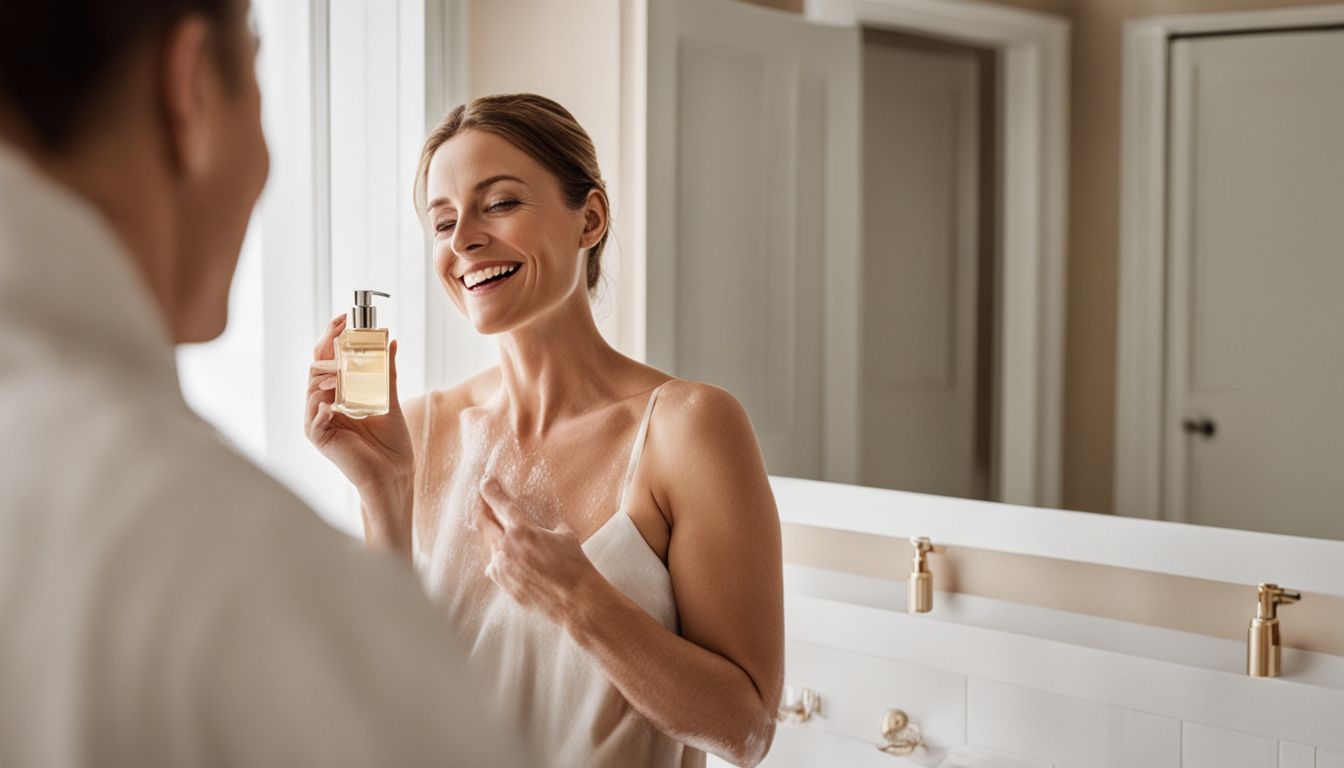
One of the most practical pieces of guidance comes directly from fragrance houses. Creed, for example, recommends applying fragrance to properly moisturized skin and notes that body lotion or oil can help increase longevity and intensity.
Dry skin can make some fragrances feel sharper or disappear more quickly. A moisturizer creates a more comfortable surface for the perfume and can slow the sense of rapid evaporation.
Use unscented moisturizer when in doubt
If you want to preserve the perfume exactly as the perfumer intended it, an unscented lotion is the simplest choice. Apply it after washing, let it absorb, then spray the perfume.
Matching body products can build continuity
A body lotion or oil in the same fragrance family can create a more continuous scent experience. This is classic layering rather than a guarantee of a specific number of hours.
The useful test is whether the layers smell better together, not whether you can make the perfume louder at any cost.
Apply Perfume to Clean Skin
Freshly washed skin gives the fragrance a cleaner starting point. It reduces interference from yesterday’s perfume, strongly scented skincare or accumulated body odor.
You do not need to apply perfume immediately while skin is still wet. Dry the skin, moisturize if needed, then apply the fragrance.
Pulse Points: Useful, but Not Magical
Wrists and the neck are traditional application points because they are easy to reach and allow fragrance to diffuse naturally as you move. Behind the ears, inner elbows and the upper chest are other common areas.
There is no need to turn pulse points into a mystical map. The important practical questions are comfort, exposure and how close you want the scent to sit to other people.
Creed recommends wrists and neck and also suggests the back of the neck for a trailing effect. That is a useful house recommendation, but the exact number and location of sprays should still match the perfume and setting.
Do Not Judge Longevity by Overspraying
If you normally wear three sprays, applying ten sprays for a “longevity test” tells you very little about how the perfume behaves in normal use.
Use a consistent amount when comparing two perfumes or two application methods. The same number of sprays on similar areas, under roughly similar conditions, creates a much more useful comparison.
This also helps separate longevity from projection. A larger dose can make a fragrance louder for longer without changing the underlying formula.
Should You Rub Your Wrists Together?
Fragrance houses commonly advise letting perfume dry naturally rather than rubbing the wrists together. Creed explicitly recommends not rubbing fragrance on skin because it can change the way the scent develops.
You do not need to panic if you have rubbed your wrists in the past. The useful habit is simply to spray, let the fragrance settle and observe the development without unnecessary friction.
Can Perfume Last Longer on Clothing?
Fabric can retain fragrance differently from skin and often holds some materials for a long time. This can be useful when you want a scent to remain detectable through the day.
But clothing requires more caution than skin. Some perfumes can stain silk, light fabrics or delicate finishes. Alcohol, oils and colored fragrance materials can all matter.
Test an inconspicuous area first if the garment is important. That is particularly sensible with evening wear, fine knits and special dresses.
Do not use clothing as an excuse to saturate a room. One or two considered applications can be enough depending on the fragrance.
What About Hair?
Hair can hold scent well, but ordinary alcohol-based perfume is not automatically the best hair product. Repeated direct spraying can feel drying for some people.
If you enjoy scent in hair, a dedicated hair mist is the gentler option when the brand offers one. Another approach is a light mist from a distance rather than soaking the hair.
Layering Can Extend the Scent Experience
Layering works best when the products support one another.
Matching products
Shower gel, body lotion, oil and perfume from the same line create the most predictable result because the scent family is designed to work together.
Unscented base plus perfume
This is the safest route when you want the perfume itself to remain the focus.
Different fragrances
Layering two perfumes can be creative, but it can also make longevity harder to judge because you no longer know which material is producing the later trail.
Learn each perfume alone before combining them. A useful collection of luxury perfumes becomes easier to use when you know the role of each bottle rather than spraying several at once.
Concentration Matters, but It Does Not Decide Everything
Eau de Toilette, Eau de Parfum and Parfum generally signal different concentration levels, but the labels are not a universal stopwatch.
A higher concentration often gives the formula more body and can support a richer drydown. Yet two concentrations of the same fragrance may also be formulated differently. One may emphasize citrus and herbs; another may emphasize woods, amber or vanilla.
The exact fragrance matters more than the category name. A dense woody EDT can outlast a very transparent EDP on a particular wearer.
If concentration itself is the question, compare the dedicated guide to Eau de Toilette, Eau de Parfum and Parfum rather than treating “more oil” as the entire answer.
Base Notes and Formula Structure Influence Staying Power
Fragrances rich in slower, heavier materials often feel more persistent than very bright compositions built around volatile citrus or airy effects.
Creed notes materials such as sandalwood, cedarwood, vanilla, orris, vetiver, tonka bean and resins when discussing longer-lasting structures. That does not mean every perfume containing those notes will perform identically. Dosage, formula and supporting materials still decide the result.
A perfume can also remain interesting because the drydown changes. Longevity is more useful when you enjoy what remains after the opening.
Climate Changes How Perfume Behaves
Heat
Warm conditions can make fragrance radiate more quickly. That can create stronger projection at first and a faster sense of movement through the formula.
Cold
Cold weather may make some perfumes feel quieter or slower to open. Rich woods, amber, vanilla and spice often feel especially comfortable in cooler conditions, but that is an aesthetic preference rather than a law.
Dry air
Dry conditions can make skin moisture more important. Moisturizer can become particularly useful when fragrance seems to disappear quickly from dry skin.
Humidity
Humidity can change how heavy or diffusive a perfume feels. A dense sweet fragrance that is comfortable in winter can become overwhelming in hot, humid weather even if the raw longevity is excellent.
Reapplication Is Not Failure
Some fragrances are intentionally transparent. A citrus cologne, tea scent or soft skin musk may be beautiful precisely because it does not behave like a heavy amber.
If you love the smell but want it present later, carry a small spray or sample and reapply once rather than forcing the morning dose.
This is also why discovery and travel formats are practical. They let you refresh a fragrance without carrying a large glass bottle.
Store Perfume Away from Heat and Direct Light
Longevity on skin starts with formula integrity in the bottle.
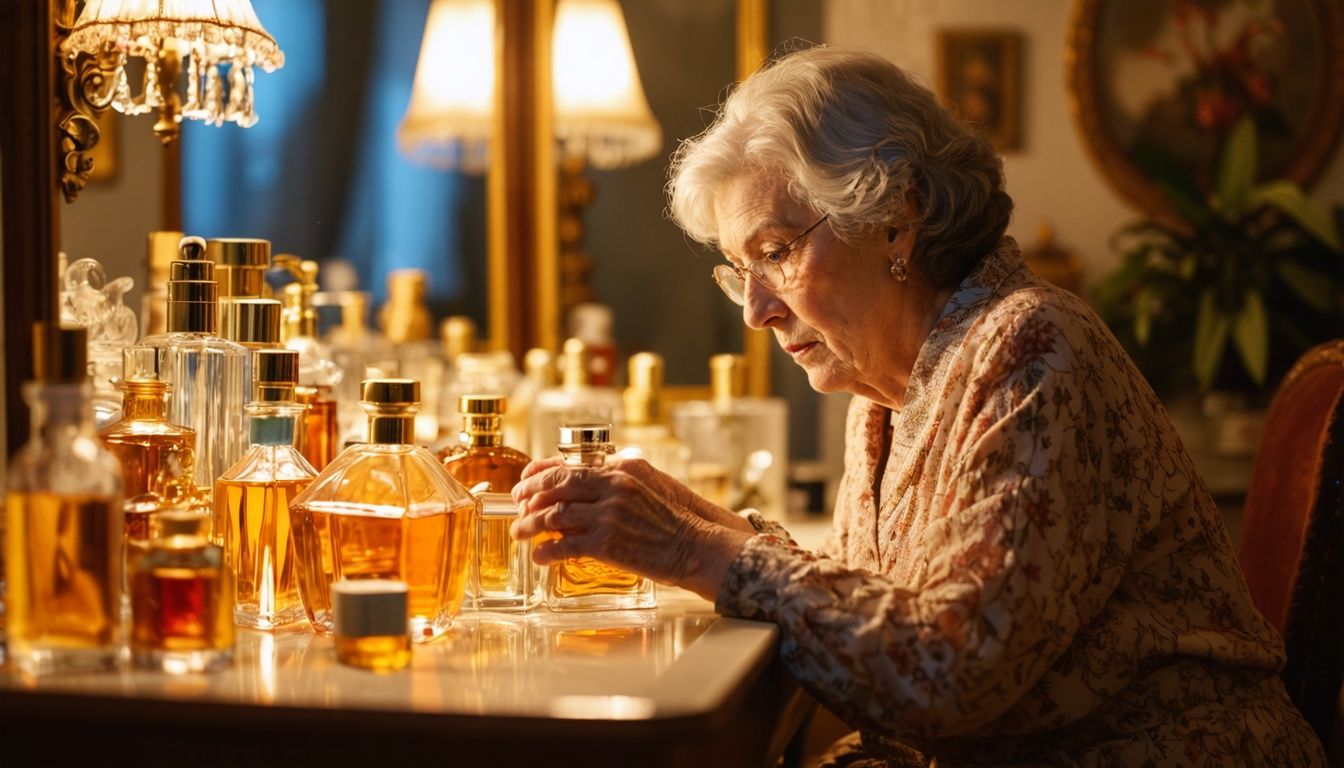
Creed advises storing fragrance away from daylight, heat and extreme temperature changes. A cool, dark drawer or closet shelf in a stable room is better than a bathroom windowsill or a hot car.
Direct light can alter color and sensitive materials over time. Repeated heat can accelerate deterioration. Extreme temperature swings are also undesirable.
The bathroom is usually a poor storage place
Bathrooms repeatedly move between warm, humid and cooler conditions. Even if the bottle looks elegant beside the mirror, stable storage is more important than display.
Keep the cap on
Reducing unnecessary exposure to air is sensible, especially for bottles that are used slowly over years.
Does Perfume Expire?
Perfume can change with age, but there is no single countdown that applies to every formula. Storage conditions and composition matter.
A bottle that develops a sharply sour, metallic or unpleasantly altered odor may have oxidized. Color can also change, although darker liquid alone does not prove that the perfume is ruined.
The best reference is your own bottle when new: how it smelled, looked and performed before a major change.
Pheromones Do Not Make Perfume Last Longer
Pheromone marketing and fragrance longevity are separate subjects. A product described as rich in pheromone-style claims is not automatically more persistent on skin.
Likewise, the idea that perfumes amplify attraction through a proven pheromone mechanism should not be used as a longevity explanation. Performance still comes back to the fragrance formula, dose, application and wearer.
Why You May Stop Smelling Your Own Perfume
Sometimes the fragrance has not disappeared; your attention to it has.
Continuous exposure can make a familiar smell less noticeable to the wearer even while someone entering the room still detects it. This is one reason repeated self-checking can lead to overspraying.
Before adding more, step away from the scent for a while or ask someone you trust whether it is still noticeable at a normal conversational distance.
How to Test Whether a Perfume Really Lasts Longer
- Use the same number of sprays each time.
- Apply to comparable areas on separate days.
- Keep moisturizer use consistent.
- Note the weather and whether you are indoors or outside.
- Check at similar intervals instead of sniffing continuously.
- Record projection and skin-level presence separately.
- Compare the drydown quality, not only the number of hours.
This is not a laboratory protocol. It is simply a fairer personal comparison.
Which Fragrance Styles Tend to Feel More Persistent?
Fragrance family can influence the way longevity is perceived, although there are exceptions in every category.
Woody perfumes
Sandalwood, cedar, vetiver, patchouli and related woody materials often support a drydown that remains noticeable after brighter top notes have faded. A woody perfume can feel persistent without being sweet or heavy.
Amber and resinous perfumes
Labdanum, benzoin, vanilla, tonka and amber-style accords often create a warmer, denser base. These structures are frequently chosen when a wearer wants an enveloping trail into the evening.
Musk perfumes
Musk can behave in several ways. Some modern musks create a clean, diffusive halo; others sit almost invisibly on skin and reappear when you move. A skin musk may therefore feel quiet while remaining present for a surprisingly long time.
Citrus and aromatic perfumes
Lemon, bergamot, mandarin, herbs and fresh aromatics usually create the brightest early impression. They can be beautifully persistent when supported by woods, musk, tea or amber, but the citrus sensation itself often changes faster than a resinous base.
Gourmand perfumes
Vanilla, praline, cocoa, coffee and sweet amber materials can create a long drydown, especially when paired with woods or musk. Sweetness can also become tiring when oversprayed, so longevity is not an argument for a larger dose.
Perfume Oil vs. Alcohol Spray for Longevity
Perfume oils often sit closer to skin because the carrier and application style differ from an alcohol spray. The effect can feel slower, softer and more intimate.
An alcohol-based spray can create greater initial diffusion because the fragrance is dispersed over a wider area. That does not automatically make it shorter-lived, and oil does not automatically mean superior longevity.
Compare formats by what you want: a broad opening, a personal skin scent, easy reapplication, or a fragrance trail that reaches beyond your immediate space.
Travel Sprays and Reapplication Strategy
Reapplication becomes much easier when you plan for it rather than treating it as evidence that the perfume failed.
A 3 ml sample, 5–10 ml travel spray or refillable atomizer is enough for an afternoon refresh without carrying a full bottle. Keep the container protected from heat and direct sun, particularly if it spends time in a handbag or car.
When to reapply
Wait until the fragrance has genuinely softened. Adding more every hour can create scent fatigue for you and everyone nearby.
How much to reapply
Usually less than the original morning dose is enough because some base materials may still be present. One or two controlled sprays can restore the opening without rebuilding the entire fragrance cloud from zero.
Where to reapply
If you originally sprayed the neck and wrists, you do not have to hit every point again. Choose one comfortable area and let the refreshed fragrance mix with the existing drydown.
Longevity by Season and Setting
| Situation | What often helps | What to watch |
|---|---|---|
| Hot summer day | Moderate dose, light reapplication, breathable styles | Heavy sweetness can become overwhelming |
| Cold weather | Richer woods, amber, vanilla, musk | Some fresh scents may feel quieter outdoors |
| Dry indoor air | Moisturize before applying | Dry skin can make a fragrance seem to vanish quickly |
| Humid climate | Use a lighter hand and test projection | Dense formulas can feel larger than expected |
| Office | Controlled application, close-to-skin drydown | Longevity is useful; excessive projection is not |
| Evening event | Apply before leaving and carry a small refresh | Do not confuse louder with more elegant |
The goal is to adapt application to the environment rather than search for one technique that behaves identically in every season.
A Simple Personal Wear-Test Log
If perfume longevity genuinely matters to you, a short note after each wear is more useful than trying to remember impressions weeks later.
- Fragrance and concentration: note the exact EDT, EDP, Parfum or oil.
- Dose: record the number of sprays or dabs.
- Application: skin, clothing or both.
- Skin preparation: dry, moisturized, scented lotion or unscented lotion.
- Weather: approximate heat, cold or humidity.
- First hour: close, moderate or strong projection.
- Midpoint: what notes remain and how close the scent sits.
- Drydown: when you last noticed the perfume without pressing your nose directly to skin.
- Enjoyment: whether you still liked the scent at that stage.
After several wears, patterns become easier to see. You may discover that one fragrance does better on clothing, another benefits from moisturizer, and a third simply has a lighter style that you prefer enough to reapply.
Longevity Is Not the Same as Value
A perfume that lasts twelve hours is not automatically better value than one you enjoy for five. Bottle size, dose, how often you wear it, how much you enjoy the drydown and whether you need to reapply all matter.
Some transparent fragrances are intentionally designed around brightness and movement. Turning every purchase into a contest for maximum duration would eliminate many beautiful citrus, tea, floral and skin-scent styles.
Use longevity as one decision factor, not the only one. A fragrance earns its place when you enjoy the full wearing experience.
12 Practical Ways to Make Perfume Last Longer
- Moisturize first. Use unscented lotion or a matching body product.
- Apply to clean skin. Give the fragrance a neutral starting point.
- Use a consistent dose. More spray is not automatically a better test.
- Let it dry naturally. Avoid aggressive rubbing immediately after application.
- Try pulse points. Wrists, neck and upper chest are practical starting places.
- Use fabric carefully. Clothing can retain scent, but test delicate materials first.
- Layer compatible products. Matching lotion or oil can extend the overall scent experience.
- Choose a formula whose drydown you like. Lasting power is useless if you dislike the later stage.
- Carry a travel spray. Controlled reapplication beats excessive morning dosing.
- Store bottles cool and dark. Avoid sunlight, bathrooms and hot cars.
- Separate projection from longevity. Quiet does not always mean gone.
- Test on your own skin. Performance varies enough that personal wear matters.
Common Mistakes
Buying only by concentration
EDP or Parfum can be a useful clue, but the actual formula still matters.
Overspraying because you became used to the smell
Nose adaptation can make a present fragrance seem absent.
Storing perfume in direct sunlight
A bright windowsill is decorative but poor long-term storage.
Assuming all fabrics are safe
Perfume can mark delicate clothing. Test first.
Expecting every fresh fragrance to behave like amber or oud
A transparent citrus or tea perfume can have a different wearing rhythm and still be beautifully made.
Questions About Making Perfume Last Longer
Does Vaseline make perfume last longer?
An occlusive product can create a different surface on skin, but a normal unscented moisturizer is easier to spread evenly and is the more straightforward first step. If you use petrolatum, test a small amount and make sure it does not change the way the perfume sits on your skin.
Should I spray perfume on skin or clothes?
Skin lets the perfume interact with warmth and body chemistry. Clothing can retain scent differently and sometimes longer. Use both only when the fabric is safe for fragrance.
Why does perfume last longer on some people?
Skin condition, application amount, environment and individual perception all contribute. Formula matters too.
Does Eau de Parfum always last longer than Eau de Toilette?
Often, but not universally. EDP usually has a higher fragrance concentration, while the exact formulas can also differ.
Should I rub perfume into my wrists?
Fragrance houses such as Creed recommend letting perfume dry without rubbing the wrists together. The simplest habit is spray and let it settle naturally.
How can I make a light citrus perfume last all day?
Moisturize, use a reasonable consistent dose, consider safe fabric application, and carry a small spray for refreshment. A very transparent citrus formula may never behave like a dense woody or amber perfume, and that does not make it defective.
Does layering perfume make it last longer?
Matching body lotion, oil or related products can extend the overall scent experience. Layering unrelated perfumes can also add density, but it changes the composition and makes performance harder to evaluate.
Where should perfume be stored?
A cool, dark place with stable temperature is ideal. Avoid direct sunlight, high heat and repeated temperature changes.
Bottom Line
The best longevity routine is not complicated: moisturized skin, considered application, a formula whose drydown you enjoy, and proper storage.
Do not chase a universal hour count. A perfume that stays close and beautiful through the day can be more useful than one that projects loudly and becomes tiring. The goal is not to make every fragrance behave the same way; it is to get the best performance from the fragrance you chose.
