


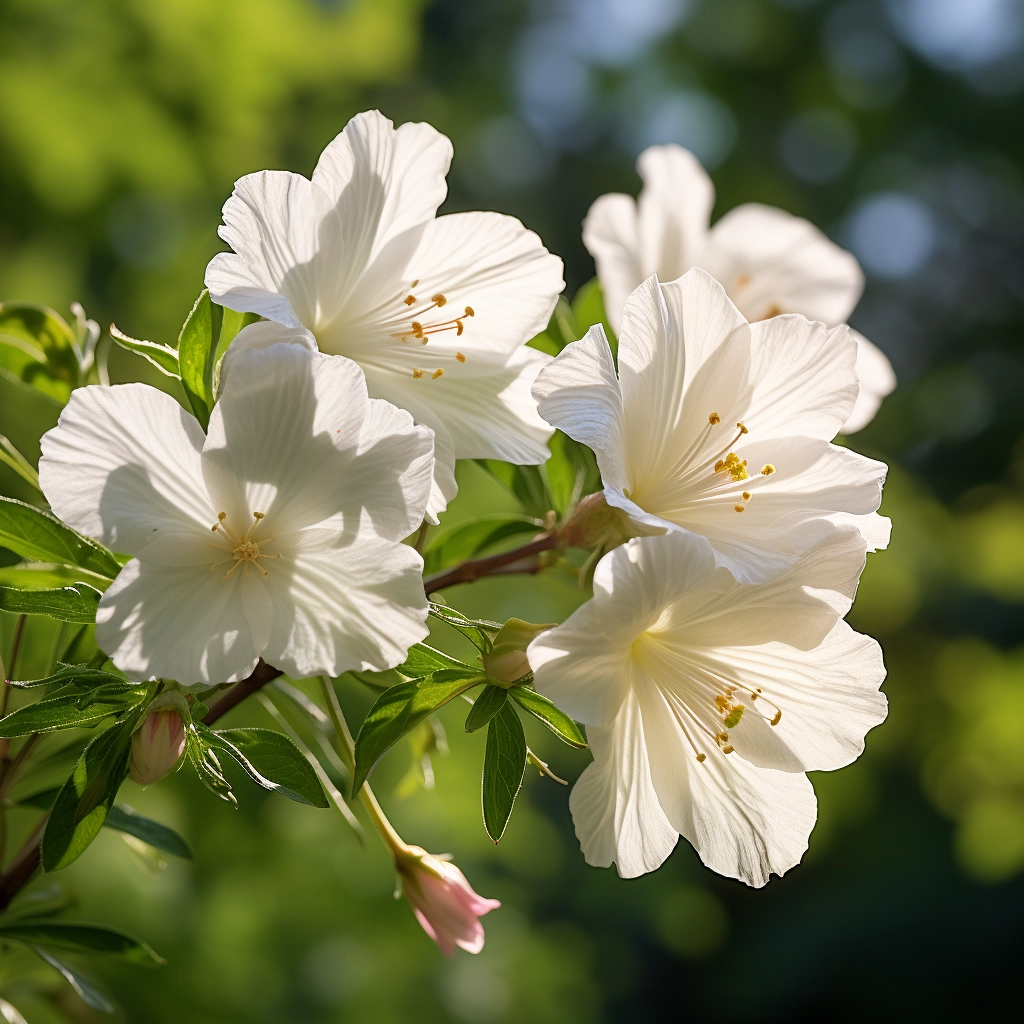
White musk perfume is known for a soft, clean scent that can feel powdery, airy, warm or close to the skin. It is less a single ingredient than a modern perfumery idea: an abstract musk effect stripped of the pronounced animalic character associated with historical deer musk.
That apparent simplicity leaves plenty of room for interpretation. A white musk fragrance can suggest fresh fabric, smooth skin, translucent flowers or a creamy cloud of vanilla. The materials surrounding the musk determine which side appears most clearly.
What Does White Musk Smell Like?
Most white musk perfumes share a sense of softness and cleanliness, but they do not all smell alike. Common impressions include:
- Clean: a polished, freshly washed effect without necessarily smelling like detergent.
- Powdery: a smooth, dry softness that can recall cosmetic powder or pale iris.
- Skin-like: warm, subtle and intimate rather than loudly projected.
- Cottony: airy and tactile, with the suggestion of clean fabric.
- Creamy: rounded by vanilla, sandalwood or gentle gourmand notes.
- Floral: blended with jasmine, rose, magnolia or orange blossom for a luminous finish.
Some compositions emphasize one of these facets; others move between several. A fragrance may begin with bright citrus and flowers, then become quieter and more musky as it dries down. Another may use white musk to soften a sweet accord from the first spray.
The phrase “white musk” on a note list therefore describes an olfactory impression, not a complete ingredient disclosure. It cannot tell you by itself whether the fragrance will be soapy, floral, fruity, woody or gourmand.
White Musk Is Not the Same as Historical Animal Musk
The word musk originally referred to an aromatic secretion produced by the musk gland of male musk deer. That deer-derived material belongs to a very different history from the clean white musk accords found in contemporary perfume.
Modern perfumery no longer needs deer-derived musk to create a musky effect. Laboratory-made aroma molecules provide a broad palette of alternatives, allowing perfumers to work with clean, powdery, warm, fruity or skin-like facets without relying on musk-deer material. Musk deer species are also protected through international wildlife-trade controls under CITES, with populations listed in Appendix I or Appendix II.
It is useful to separate the two ideas. Historical animal musk was a specific animal-derived material. Modern white musk is a creative accord or style, generally built with synthetic fragrance materials and shaped by the rest of the formula.
How Synthetic Musk Materials Work in Perfume
There is no single molecule called “white musk.” Chemists have developed structurally different families of musk odorants, commonly discussed as nitro, polycyclic, macrocyclic and alicyclic musks. Those scientific categories describe molecular structure; they do not function as a simple consumer guide to how a finished perfume will smell.
Perfumers select individual materials for their particular odor profile and behavior in a composition. One musk can make a floral accord feel smooth and diffusive. Another can add warmth, a soft fruit-like nuance or the sensation of clean fabric. Several musk materials may be combined to create more texture than one could provide alone.
Musks often appear in the base of a fragrance because many of them support the later stages of the drydown. That does not mean every white musk perfume is automatically powerful or exceptionally long-lasting. Concentration, formula, application and the individual materials all affect performance. Personal sensitivity also varies, so a musk that seems obvious to one person may feel much quieter to another.
Fragrance materials are evaluated and managed through applicable cosmetics regulations and industry standards. The International Fragrance Association maintains both a public ingredient Transparency List and Standards that can restrict, prohibit or set conditions for the use of particular materials. A broad label such as “synthetic” is not, on its own, a verdict about either safety or quality; those questions depend on the specific substance, dose and use.
For a broader view of how notes and materials are used across the Maison’s compositions, visit IRFĒ’s fragrance ingredients guide.
Why White Musk Can Smell Different from One Perfume to Another
White musk is highly responsive to its supporting notes. Think of it as a texture that can be directed toward different fragrance families.
Citrus and Tea
Bergamot, lemon and tea can give white musk a crisp, transparent opening. The musk softens the sharp edges of citrus and remains after the brightest notes fade. This style often feels polished and airy rather than sweet.
Jasmine, Magnolia and Other Flowers
White florals can make musk feel luminous and smooth, while rose may bring a softer, more traditionally floral profile. Iris adds powder and coolness; lavender contributes an aromatic, clean edge. The musk helps connect petals to the base without making the transition feel abrupt.
Vanilla and Gourmand Notes
Vanilla, marshmallow, almond-like accords and other gourmand effects turn white musk creamier and more enveloping. Musk can keep sweetness feeling diffused rather than dense, although the final balance depends on the formula. This is a useful direction for someone who enjoys comfort and softness but does not necessarily want caramel-heavy perfume.
Woods
Sandalwood enhances the creamy side of musk, while cedarwood can introduce a drier outline. Pale or “fluffy” wood accords often reinforce the impression of volume without making the fragrance feel dark. The result can sit between a skin scent and a conventional woody perfume.
White musk is only one part of the wider musk spectrum. The guide to musk perfumes for women compares clean, powdery, floral, fruity and skin-scent directions in more detail.
Three White Musk Perfumes to Compare
The Body Shop White Musk Eau de Toilette
The Body Shop White Musk Eau de Toilette is a useful reference for the clean-floral side of white musk. The house describes airy aldehydes, lily of the valley, jasmine and comforting white musk, and calls the fragrance fresh, clean and long-lasting. Compare it when “white musk” in your mind means soft laundry-like brightness rather than a dark animalic effect.
Juliette Has A Gun Musc Invisible
Musc Invisible Eau de Parfum takes the second-skin route. Its official pyramid lists jasmine absolute, cotton flower and white musk, while the brand describes the scent as musky, powdery and clean with low-volume but long-lasting sillage. It is a useful comparison when intimacy matters more than projection.
IRFĒ Centifolia Rose Eau de Parfum
IRFĒ Centifolia Rose Eau de Parfum lists White Musk in its base with Cedarwood and Sandalwood Spicatum. Created by perfumer Honorine Blanc of DSM-Firmenich, it opens with Bergamot, Pink Pepper and Pear. Rose Damascena, Orris and Neroli form the heart before the composition settles into its woody-musky base.
The structure illustrates how white musk changes with the notes around it. Bergamot and pear brighten the opening, while rose and neroli carry that light into the floral heart. Orris, cedarwood and sandalwood then connect the flowers to a drier, softer base. White Musk does not stand alone as a literal “white” smell; it completes the texture created by the fruit, flowers and woods.
If you prefer a related powdery-musk style with gentle sweetness, IRFĒ Marshmallow Musk is officially a Gourmand Musk composition with a floral heart and a base of Fluffy Woods, Airy Vanilla and Powdery Musk. It is not presented as an exact white-musk note, but it offers a useful contrast in how a softer musk effect can be shaped. The IRFĒ Discovery Set contains five 3 mL Eau de Parfum samples, including both Centifolia Rose and Marshmallow Musk.
How to Choose a White Musk Perfume
Begin with the effect you want, then read the complete note structure rather than focusing only on the word musk.
- Choose citrus, tea or aromatic notes for a brighter, cleaner style.
- Look for iris, violet or soft woods if powder is the main attraction.
- Try jasmine, magnolia, rose or orange blossom for floral radiance.
- Choose vanilla, marshmallow or creamy sandalwood for a warmer, more gourmand effect.
- Look for descriptions such as second skin, sheer or intimate if you prefer restrained diffusion, but treat them as style cues rather than performance guarantees.
Sampling matters with musk. Smell the opening, then return to the fragrance after the brighter top notes have faded. The later drydown is where the musky structure often becomes easiest to understand. Test one or two sprays on skin as well as on a blotter, and avoid judging several musk perfumes in rapid succession; their soft profiles can blur together.
How to Wear and Layer White Musk
White musk works easily in a fragrance wardrobe because it can be understated without being empty. A sheer citrus musk suits daytime wear, while floral, woody or gourmand interpretations can feel fuller in the evening or cooler weather. These are tendencies, not rules.
If you layer fragrances, begin with a light application. A simple musk can soften a sharp citrus, add body beneath a floral perfume or make vanilla feel more skin-like. Test the combination before applying it broadly: two balanced perfumes can become too sweet, too powdery or unexpectedly dense when combined.
Application also influences the effect. Applying lightly can keep the impression more intimate; scent on clothing may be perceived differently and can remain noticeable for a different amount of time. Check fabric-care guidance before spraying delicate materials, and do not use perfume as a substitute for products designed for hair.
Frequently Asked Questions
Is modern white musk made from deer?
In contemporary perfumery, “white musk” generally refers to an accord created with synthetic musk materials, not deer-derived musk. A note list describes the intended scent effect and is not a full formula, so consult the brand directly if you need ingredient-specific information.
Is white musk a natural ingredient?
White musk is usually a style or accord rather than one natural raw material. Botanical ingredients such as ambrette seed can contribute musky nuances, but their presence should not be assumed simply because a perfume is described as white musk.
Does white musk always smell like clean laundry?
No. Some compositions create a laundry-clean effect, but others smell powdery, floral, creamy, woody or close to the skin. The surrounding notes and the selected musk materials determine the result.
Is white musk perfume unisex?
The accord itself is not inherently gendered. Citrus and aromatic pairings may feel crisp; flowers and vanilla may feel softer or sweeter; woods can make the same musk drier. Any of these styles can be worn according to personal preference.
Is white musk perfume long-lasting?
It can be, because many musk materials contribute to a fragrance’s base, but there is no universal performance rule. Formula, concentration, application and individual perception all matter. Sampling the actual perfume is more reliable than assuming longevity from the note name.
What is the difference between musk and white musk?
Musk is the wider olfactory category. It includes many modern interpretations, from clean and powdery to fruity, woody, warm or deliberately animalic. White musk usually identifies the cleaner, softer end of that spectrum.
Final Thoughts
White musk perfume is compelling because it behaves more like a texture than a fixed smell. It can make citrus smoother, flowers more diffusive, vanilla airier and woods softer. Its modern identity comes from perfumers’ ability to combine different musk materials into a clean, nuanced accord without using deer-derived musk.
The best way to choose one is to look beyond the note name. Decide whether you want brightness, powder, florals, creaminess or a quiet skin scent, then follow the full composition through its drydown. That is where a white musk perfume reveals what kind of softness it actually offers.
