


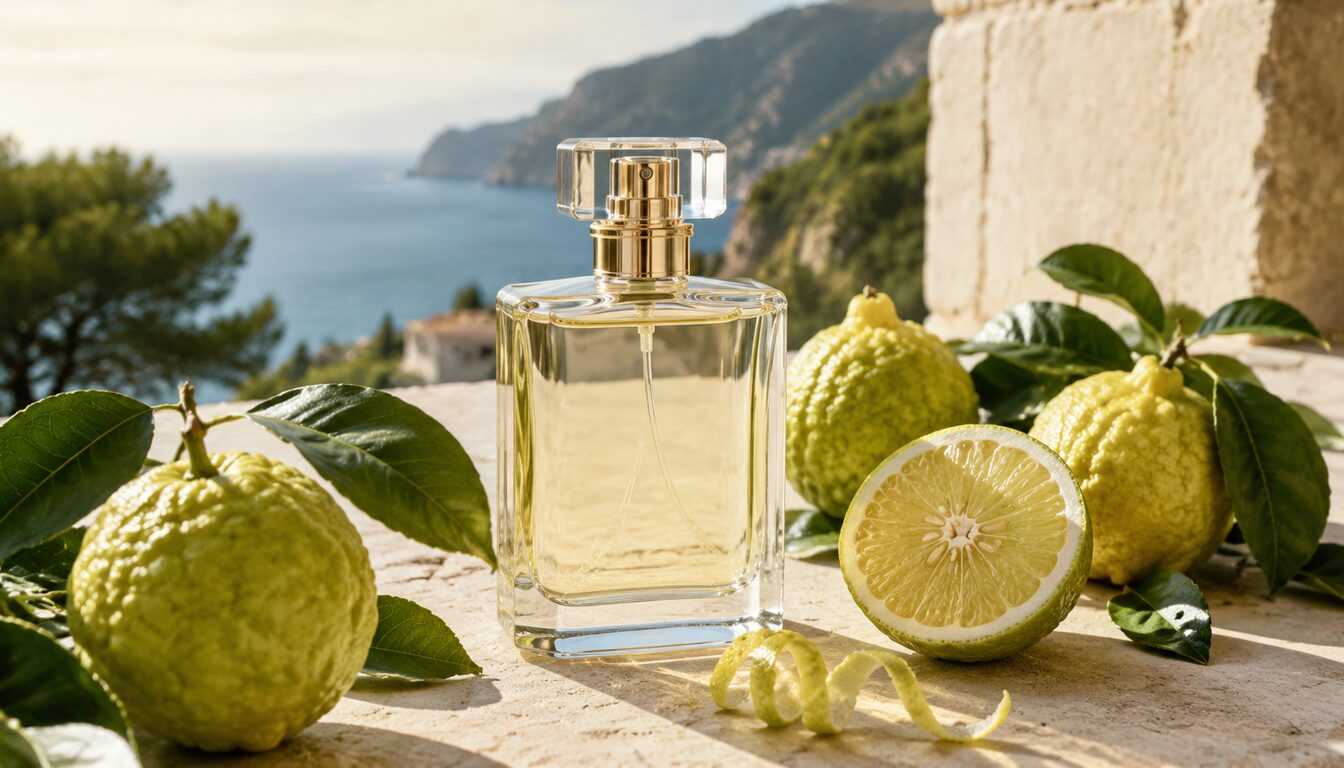
Bergamot is the citrus note that knows how to enter a room without shouting. It brings light, but not the flat brightness of lemon cleaner or a glass of orange juice. Its peel can feel green, floral, gently bitter, and almost tea-like, which is why perfumers use it to open everything from transparent colognes to rose, leather, amber, and oud compositions.
In a well-made perfume, bergamot behaves like the first clean line of a silhouette. It gives the opening clarity, then hands the composition to flowers, spice, woods, or musk without leaving a hard seam. That graceful transition is part of what makes the note feel polished rather than merely fresh.
This guide explains what bergamot smells like, how it differs from lemon, orange, grapefruit, and petitgrain, the main styles it creates, and how Maison IRFĒ uses it in Centifolia Rose and Saffron Leather.
What Does Bergamot Smell Like?
Bergamot sits between familiar citrus and aromatic floral notes. Useful reference points include:
- Zesty peel: crisp and sparkling rather than sugary
- Soft florals: smoother and more perfumed than many lemon effects
- Green herbs: a clean aromatic edge
- Gentle bitterness: enough contrast to keep sweetness in check
- Fresh spice: especially when paired with pepper, saffron or cinnamon
The balance changes with the material and the formula. One bergamot accord can feel airy and almost tea-like; another may emphasize tart peel, aromatic greenery or a warmer floral side.
Why Bergamot Often Smells More Polished Than Other Citrus Notes
Bergamot has enough bitterness to keep sweetness in check and enough floral softness to avoid a harsh edge. That combination makes it unusually adaptable. It can sharpen a white floral without making it sour, brighten leather without turning the perfume sporty, and cut through vanilla or amber without reducing the fragrance to a summer cologne.
Its elegance is often a question of proportion. Too much bright citrus can feel temporary, like a flashbulb. Bergamot works best when the opening already hints at what follows. Beside rose, it can feel petal-like; beside tea, dry and aromatic; beside saffron, more golden; beside cedarwood, clean and tailored.
This is why the note appears so often in perfumes described as refined, modern, or “expensive-smelling.” Bergamot does not create luxury on its own. It creates space, and space allows the more textured materials to register clearly.
Where Bergamot in Perfumery Comes From
Bergamot oil is associated with the peel of Citrus bergamia. IFF’s LMR Naturals compendium describes its Italian bergamot oil as zesty and fresh, with floral and herbal undertones. The listed process begins with cold pressing the fruit peel, followed by molecular distillation for that particular furocoumarin-reduced material.
Not every “bergamot” note on a perfume pyramid means that exact oil was used on its own. Perfumers may combine natural oil, processed fractions, isolated components and aroma molecules to shape a bergamot effect with the brightness, stability and character required by the formula. A note list communicates the intended scent; it is not a complete ingredient disclosure.
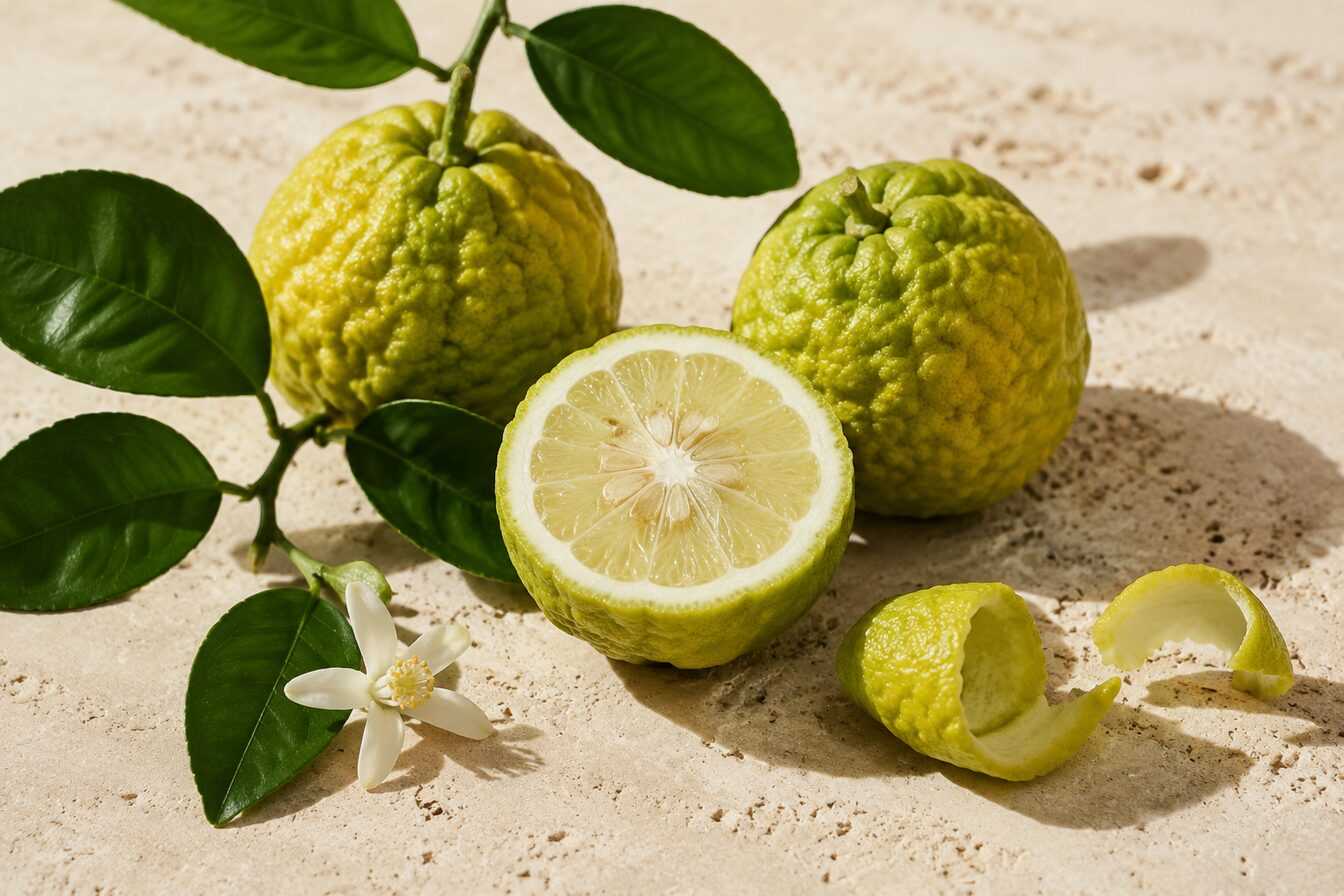
Bergamot vs. Lemon, Orange and Grapefruit
All four belong to the citrus family, but they do not create the same impression.
Lemon is often sharper, more acidic and immediately recognizable as fresh zest. Sweet orange tends to feel rounder, juicier and more openly fruity. Grapefruit can be tart, bitter and slightly sulfurous or rind-like.
Bergamot usually feels more floral and aromatic. It gives freshness without necessarily making a perfume smell like juice or household citrus. That quality helps explain why bergamot appears in colognes, florals, aromatic fragrances, leather compositions and ambers.
How Bergamot Works in a Perfume
Bergamot commonly shapes the opening because its most volatile facets are easy to notice early. That does not mean the entire perfume will disappear quickly. Longevity depends on the complete formula, concentration, application, climate and skin.
With rose, pear or jasmine, bergamot brightens the floral transition. With petitgrain or herbs, it becomes greener and more aromatic. Pepper, saffron and cinnamon can draw out its spicy edge, while woods and leather create a stronger contrast between a luminous opening and a darker drydown.
Bergamot can also keep sweet notes from feeling dense. The gentle bitterness of the peel effect cuts through vanilla, amber, fruit and gourmand materials without turning the whole composition into a conventional citrus cologne.
Five Bergamot Perfume Styles
1. Italian-cologne brightness
Bergamot with lemon, neroli, petitgrain, rosemary, or lavender creates the classic impression of crisp air, clean skin, and sunlit citrus peel. This style is effortless in warm weather, but it should still have a drydown. Without musk, woods, herbs, or floral texture, the opening can vanish before the outfit has settled.
2. Bergamot and tea
Black tea, Earl Grey, green tea, or maté draws out bergamot’s aromatic bitterness. The result feels quieter than a conventional citrus perfume and often more intellectual than sporty. Think pale tailoring, a cashmere knit, or a white shirt after the first formal button has been undone.
3. Bergamot floral
Rose, jasmine, orange blossom, magnolia, or iris turns bergamot into a luminous frame for petals. The citrus prevents the floral heart from becoming heavy, while the flowers reveal bergamot’s own soft, perfumed facet. This is one of the most versatile directions for day-to-evening wear.
4. Bergamot with spice and leather
Pink pepper, saffron, cinnamon, black pepper, and leather make the note feel less innocent. Bergamot becomes a flash of light against darker texture, the olfactory equivalent of polished metal against suede. This style is particularly effective when the base stays dry rather than syrupy.
5. Bergamot over woods and amber
Cedarwood, sandalwood, vetiver, patchouli, amber, or musk give bergamot a longer narrative. The citrus may be brief, but it establishes the proportion of the composition. A dry woody base makes it feel tailored; a soft amber makes it glow; musk keeps it close and clean.
| If you prefer… | Look for… | Likely mood |
|---|---|---|
| Pure freshness | Neroli, lemon, petitgrain, herbs | Bright, clean, effortless |
| Quiet sophistication | Tea, iris, vetiver, pale musk | Dry, polished, understated |
| Floral elegance | Rose, jasmine, magnolia, orange blossom | Luminous, graceful, versatile |
| Evening tension | Saffron, pepper, leather, cedar | Sharp, tactile, confident |
| Warm radiance | Amber, vanilla, sandalwood, musk | Soft, glowing, enveloping |
Two IRFĒ Perfumes with Bergamot
IRFĒ uses bergamot in two different top-note structures: one leads into rose and soft woods; the other moves toward saffron, leather and Atlas cedarwood.
IRFĒ Centifolia Rose: Bergamot with Pink Pepper and Pear
IRFĒ Centifolia Rose Eau de Parfum, composed by Honorine Blanc of dsm-firmenich, opens with Bergamot, Pink Pepper and Pear. Rose Damascena, Orris and Neroli form the heart, followed by Cedarwood, Sandalwood Spicatum and White Musk.
Here bergamot supports a floral-fruity direction. Pear gives the opening a softer fruit texture, while pink pepper adds sparkle. As the composition develops, the citrus effect gives way to rose, orris, neroli and a woody-musky base.
IRFĒ Saffron Leather: Bergamot with Petitgrain, Cinnamon and Cassis
IRFĒ Saffron Leather Eau de Parfum, composed by Ilias Ermenidis of dsm-firmenich, pairs Bergamot with Cinnamon, Petitgrain and Cassis in the opening. Saffron, Cistus Leaves, Burnt Rose and Violet lead to Raw Leather, Sandalwood Album and Cedarwood Atlas.
In this composition bergamot provides contrast. Its fresh citrus-floral side sits against bitter-green petitgrain, warm cinnamon and dark cassis before the fragrance moves into saffron, leather and woods.
Centifolia Rose or Saffron Leather?
| Fragrance | Bergamot’s Setting | Overall Direction |
|---|---|---|
| Centifolia Rose | Pink pepper, pear, rose, orris and neroli | Floral, fruity, woody and musky |
| Saffron Leather | Petitgrain, cinnamon, cassis, saffron and leather | Aromatic, spicy, leathery and woody |
Choose Centifolia Rose if you want bergamot to introduce a rose-centered fragrance with fruit and soft woods. Choose Saffron Leather if you prefer a brighter opening set against spice, leather and a drier woody base. Neither is a soliflore built around bergamot alone; in both, the note is part of a larger transition.
Three More Bergamot Fragrances to Compare
Acqua di Parma Colonia: Classical Citrus-Aromatic Bergamot
Acqua di Parma Colonia Eau de Cologne opens with lemon, sweet orange and Calabrian bergamot before moving into lavender, rose, verbena and rosemary over vetiver, sandalwood and patchouli. It is a useful reference for the classical Italian-cologne role of bergamot: radiant, aromatic and immediately bright.
Le Labo Bergamote 22: Bergamot with Grapefruit, Amber and Musk
Le Labo Bergamote 22 treats bergamot as more than a clean citrus opening. Le Labo describes petitgrain, grapefruit, amber, musk and vetiver around the bergamot idea, creating a contrast between bitterness, floral freshness and a warmer base.
Jo Malone Oud & Bergamot: Bright Citrus Against Dark Wood
Jo Malone Oud & Bergamot Cologne Intense pairs crisp bergamot with oud and black musk. Compare it when you want to hear what bergamot does against a much darker material: instead of extending citrus freshness, it creates light and space around smoky wood.
Placed beside IRFĒ Centifolia Rose and Saffron Leather, these three examples turn the bergamot note into five different roles: classical cologne brightness, floral lift, aromatic leather, amber-musk contrast and citrus against oud.
How to Choose and Test a Bergamot Perfume
First decide what should follow the citrus opening. A fragrance pyramid can help you anticipate the direction:
- Rose, jasmine or neroli create a more floral development.
- Orris can add a powdery, woody or violet-like texture.
- Petitgrain, lavender or herbs emphasize the aromatic and green side.
- Pear, cassis or other fruit make the opening juicier or darker.
- Pepper, cinnamon or saffron add warmth and spice.
- Leather, cedarwood or sandalwood produce a stronger contrast in the drydown.
Smell the opening, then return after the heart and base have developed. If you judge only the first few minutes, you may choose a perfume for a bergamot effect that is no longer the main impression an hour later. Test on skin when possible, because warmth, application and individual perception can change how quickly the citrus facets recede.
Bergamot, Wardrobe, and Season
Bergamot is often treated as a warm-weather note, but the better question is what fabric the rest of the perfume seems to wear. A brisk citrus-aromatic composition belongs naturally with linen, cotton, and light tailoring. Bergamot with iris or tea feels elegant beside fine knits and monochrome clothing. Bergamot over leather, saffron, or dark woods has enough weight for evening and cool weather.
For the office, look for moderate projection and a dry base. Bergamot with musk, cedarwood, or tea gives freshness without the fluorescent effect of a generic “blue” fragrance. For dinner, rose, saffron, amber, or leather create more depth. In heat, avoid formulas where sweetness rises quickly; in cold air, a warmer base helps the citrus opening feel connected rather than stranded.
The note also works well for people who dislike obvious perfume. A quiet bergamot fragrance can feel finished without smelling decorated. It is less a statement necklace than a precise cuff, visible mainly because everything around it sits better.
How to Read a Bergamot Note List
Do not stop at the first line of the pyramid. Bergamot almost always tells you how the fragrance begins, not necessarily what it becomes. Read the heart and base to understand the real style. Rose and neroli suggest floral radiance; tea and herbs suggest aromatic dryness; leather and saffron signal contrast; vanilla and amber point toward warmth.
Then ask how much of the first impression you actually need. If your pleasure is the sparkling opening itself, a lighter cologne or aromatic eau de toilette may be ideal even if it requires reapplication. If you want the perfume to retain a bergamot-like clarity for hours, choose a formula where woods, musk, tea, or florals repeat that brightness in a slower form.
Finally, smell from normal conversational distance. Citrus can seem magnificent with the wrist pressed to the nose and almost absent in motion. A successful bergamot perfume should create a clear atmosphere around the wearer, not merely a beautiful first ten seconds.
Frequently Asked Questions
What does bergamot perfume smell like?
Bergamot smells zesty, fresh, softly floral and aromatic, often with green, herbal and gently bitter facets. It is usually more perfumed and less sharply acidic than a simple lemon effect.
Is bergamot usually a top note?
It often appears in the opening because its brightest citrus facets are noticed early. The complete accord may still connect into the floral, spicy or aromatic heart.
Does bergamot perfume last all day?
The note name cannot predict total longevity. Bergamot’s brightest facets may recede before the woods, musk, amber or leather in the base, but performance depends on the entire formula, concentration, application and wearer.
Is bergamot perfume unisex?
Bergamot is used across gender categories. Rose and soft musk can make it feel more floral, while herbs, spices, leather and woods can give it a drier or darker context. The surrounding composition matters more than the citrus note itself.
Which IRFĒ perfumes contain bergamot?
Centifolia Rose and Saffron Leather both list bergamot in the top notes. Centifolia Rose moves toward rose, orris, neroli and soft woods; Saffron Leather develops through saffron, cistus, leather, sandalwood and Atlas cedarwood.
Final Thoughts
Bergamot is not simply “fresh citrus.” It is peel, green bitterness, soft flower, and aromatic lift arranged in unusually elegant proportion. Its real skill is transition: it lets a perfume move from brightness into rose, tea, spice, leather, woods, or amber without losing coherence.
Choose by what follows the opening. Centifolia Rose uses bergamot as light over petals and soft woods; Saffron Leather places it against cassis, spice, and a drier base. The same note can therefore feel romantic, tailored, airy, or dark. The right version is the one whose first flash belongs naturally to the rest of the composition.
