


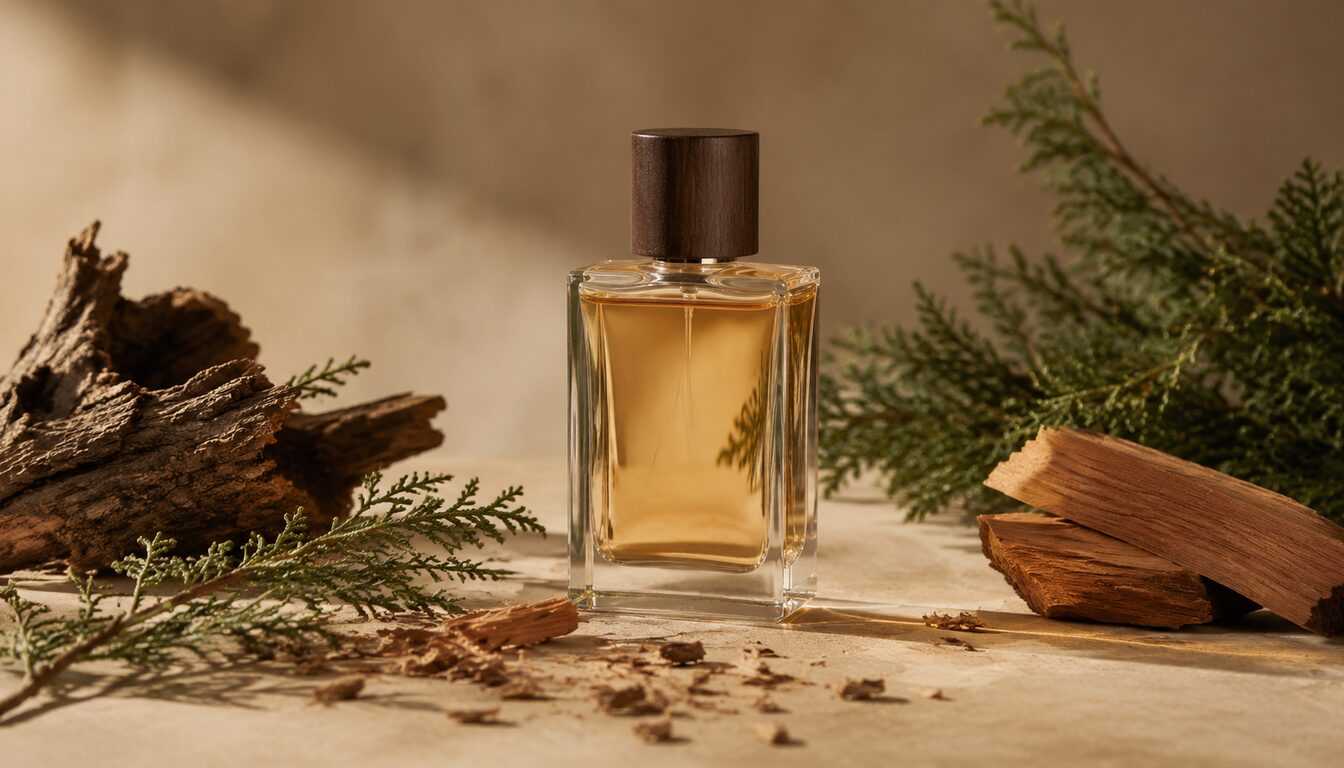
Cedarwood is one of perfumery’s great line-drawing materials. It can make a composition feel as clean as a sharply cut lapel, as dry as pale timber in winter light, or as warm as a cedar-lined wardrobe opened after years of use. The note is familiar enough to feel immediate, yet flexible enough to disappear into a floral, a leather, an amber, or a modern skin scent without announcing itself.
That versatility is also why the label cedarwood perfume can mislead. One bottle may be crisp, pencil-dry, and almost mineral; another may be resinous, smoky, creamy, or softly sweet. The difference lies in the cedar material, the perfumer’s dosage, and the notes that frame it.
This guide explains what cedarwood smells like, how Virginia and Atlas cedarwood can differ, how the note behaves beside flowers, leather, patchouli, and sandalwood, and how to choose a cedarwood fragrance by texture rather than by a generic “woody” label.
What Does Cedarwood Smell Like?
The clearest way to recognize cedarwood is through its dry wood character. Many people compare part of the effect to a freshly sharpened pencil, a cedar chest or clean-cut timber. Depending on the material and the rest of the formula, cedarwood may also suggest:
- Dry woods: crisp, linear and slightly austere
- Soft amber: warm without becoming sugary
- Resin and smoke: darker, more textured and occasionally incense-like
- Earth and roots: especially beside patchouli or vetiver
- Leather or suede: when the composition emphasizes its drier facets
- Creamy woods: when cedarwood is rounded by sandalwood, vanilla or musk
In many compositions, cedarwood is not the most prominent opening note. It often helps define the shape of a fragrance as the brighter citrus, spice or floral notes settle. Its role may be obvious in a minimalist woody scent or almost architectural in a more complex composition.
The Shape Cedarwood Gives a Fragrance
Cedarwood is rarely decorative. Even when it is not the headline note, it gives the perfume an outline. Citrus becomes less fleeting; rose becomes less plush; leather gains dryness; vanilla acquires a cleaner edge. In fashion terms, cedarwood is often closer to construction than embellishment. It is the seam, the shoulder, the line that stops softness from collapsing.
This is why cedarwood can feel expensive without smelling overtly luxurious. It does not need sweetness, smoke, or ornament. A fine cedarwood effect can be quiet and still change the entire posture of a perfume. The fragrance may feel more composed, more vertical, and easier to wear with tailoring, black, denim, or pale natural fabrics.
That architectural quality is especially useful in contemporary perfumery, where many formulas rely on contrast. A transparent floral over cedarwood feels more modern than the same floral on a sweet amber base. A gourmand touched by dry cedar can keep its appetite without becoming sticky. A musky perfume gains a faint wooden shadow that makes “clean” feel less generic.
Is Cedarwood One Perfume Ingredient?
No. Cedarwood is an umbrella term rather than one universal material. Perfumers can work with essential oils from different botanical sources, fractions of those oils, isolated components, modern woody aroma molecules or a combination of materials.
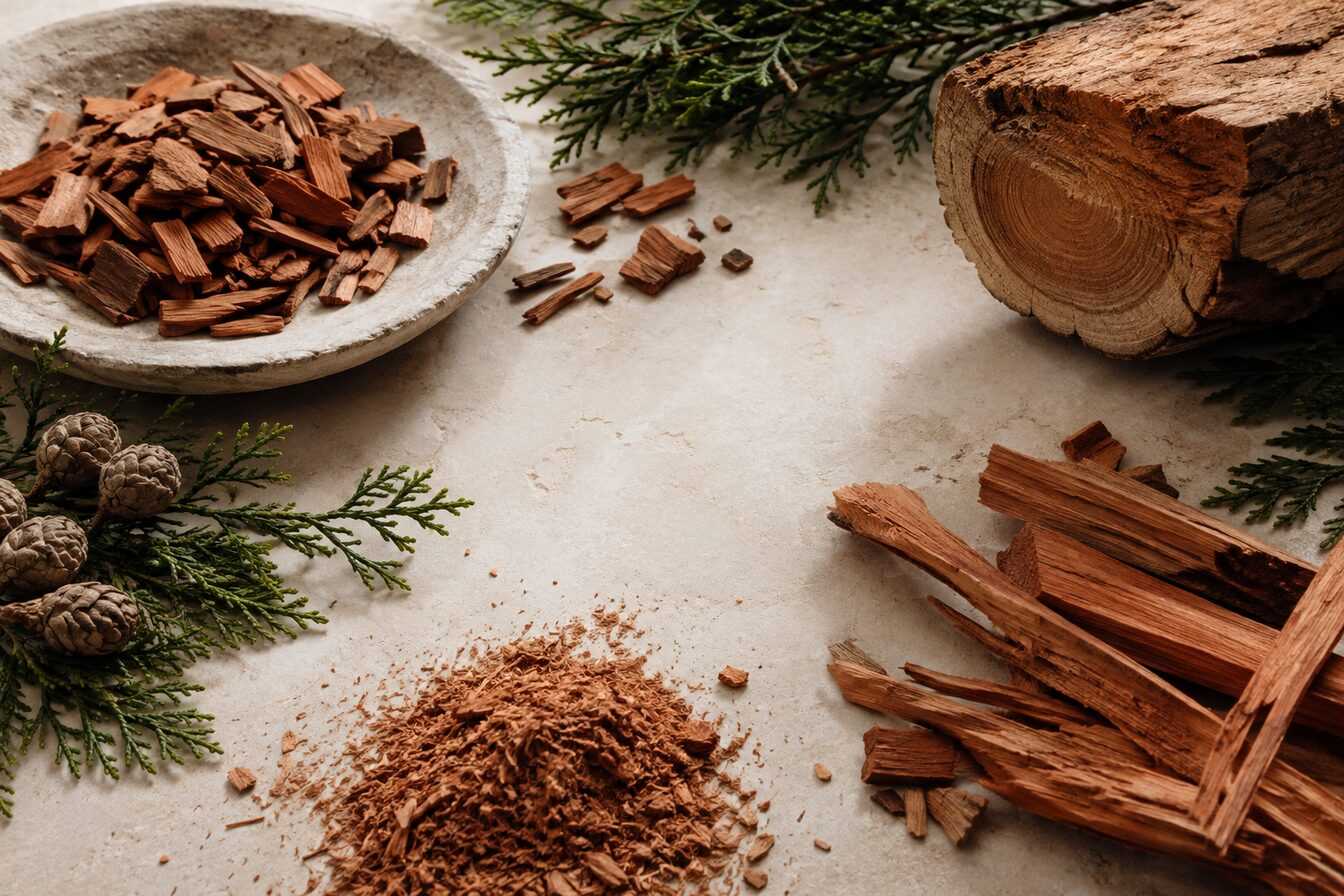
Virginia cedarwood, for example, comes from Juniperus virginiana. Despite its common name, the plant is a juniper rather than a true cedar. dsm-firmenich describes its Virginia cedarwood oil as woody, dry, slightly amber-like and pencil-like.
Atlas cedarwood comes from Cedrus atlantica and may be used when a composition needs a richer, more resinous or leathery woody profile. Other cedar-named materials can smell fresher, smokier, softer or more powerful. A public fragrance pyramid usually tells you the intended olfactory effect; it does not disclose every raw material in the formula.
How Cedarwood Works in a Perfume
Cedarwood commonly appears in the base of a fragrance, where it connects the more expressive top and heart notes to a lasting woody framework. “Base note” describes its structural role, not a guaranteed number of hours on skin.
With citrus, cedarwood can make freshness feel cleaner and more tailored. With rose or other flowers, it can add a drier contrast. Leather can emphasize cedarwood’s dry or smoky side, while patchouli can emphasize earth, warmth and depth. Musk and sandalwood can smooth its sharper edges.
This versatility is why cedarwood appears in floral, aromatic, leather, amber and gourmand fragrances. It does not automatically make a perfume dark or traditionally masculine. The surrounding notes determine the finished character.
Cedarwood vs. Sandalwood
Cedarwood and sandalwood are both woody notes, but they usually create different textures.
Cedarwood tends to feel drier, straighter and more defined. Pencil shavings, timber, resin and soft amber are useful reference points. Sandalwood is often described as creamier, rounder and smoother, with milky, warm or gently spicy facets.
They are frequently used together. Cedarwood can add definition, while sandalwood can contribute roundness and soften the transition into musk, amber or vanilla. As with cedarwood, a sandalwood note may represent natural material, a reconstructed accord or both.
Five Cedarwood Styles to Know
1. Pale and pencil-dry
This is the most recognizable cedarwood profile: clean shavings, dry timber, a faint resinous warmth, and very little sweetness. It suits people who prefer precise woody scents and dislike syrupy amber. Worn lightly, it has the clarity of a white shirt with a firm collar; worn more densely, it can feel austere.
2. Floral cedarwood
Rose, iris, violet, jasmine, or neroli placed above cedarwood create a floral with a defined frame. The wood keeps petals from becoming diffuse and can make powdery notes feel polished rather than nostalgic. This style often works beautifully for daytime, formal settings, and anyone who wants flowers without a bouquet effect.
3. Creamy cedarwood
Sandalwood, musk, vanilla, or benzoin round cedarwood’s dry edges. The result feels smoother and closer to skin, with the wood acting as support rather than the main event. Creamy cedarwood is useful when a pure sandalwood perfume feels too soft but a dry cedar feels too severe.
4. Smoked cedar and leather
Leather, incense, cypriol, tobacco, black pepper, and saffron turn cedarwood darker. Here the note can suggest polished wood, char, suede, or a warm interior after dusk. This style has presence and rewards restraint: one spray can feel tailored; four can feel like the furniture has entered the room before you.
5. Earthy cedarwood
Patchouli, vetiver, moss, and amber pull cedarwood toward soil, roots, and bark. The perfume may feel outdoorsy, but the best versions avoid literal forest cosplay. They use cedar to add dryness and lift, so the earthiness remains textured rather than muddy.
| If you want… | Look for… | Likely effect |
|---|---|---|
| Sharp, clean structure | Virginia cedarwood, citrus, vetiver | Dry, bright, tailored |
| Soft woody skin scent | Cedarwood, musk, sandalwood | Smooth, intimate, polished |
| Floral with backbone | Rose, iris, neroli, cedarwood | Petal-soft but defined |
| Dark evening wood | Leather, saffron, incense, cedar | Smoky, tactile, assertive |
| Earthy warmth | Patchouli, tobacco, amber, cedar | Grounded, warm, textured |
Three Ways IRFĒ Uses Cedarwood
Cedarwood appears in three different note structures across the IRFĒ fragrance collection.
IRFĒ Saffron Leather: Cedarwood with Leather and Spice
The published note pyramid for IRFĒ Saffron Leather, composed by Ilias Ermenidis of dsm-firmenich, lists Cedarwood Atlas in a base with Raw Leather and Sandalwood Album. Bergamot, cinnamon, petitgrain and cassis open the composition; saffron, cistus leaves, burnt rose and violet form the heart.
The published structure suggests a dry, tailored woody framework rather than a literal “forest” effect, with Cedarwood Atlas presented beside leather and sandalwood in the base.
IRFĒ Centifolia Rose: Cedarwood Beneath Rose
The published note pyramid for IRFĒ Centifolia Rose, composed by Honorine Blanc of dsm-firmenich, lists cedarwood in the base with Sandalwood Spicatum and White Musk. Above it are bergamot, pink pepper and pear, followed by Rose Damascena, orris and neroli.
The published structure sets the floral and fruity notes against a woody-musky base. Cedarwood is not presented as the headline note, so sampling is the best way to judge how clearly it emerges in the drydown.
IRFĒ Patchouli Forever Worn: Cedarwood with Patchouli and Tobacco
The published note pyramid for IRFĒ Patchouli Forever Worn, composed by Frank Voelkl of dsm-firmenich, lists cedarwood with Patchouli Heart SFE and sandalwood in the base. Honey, tobacco and davana lead into lavandin, Clearwood and amber.
The note structure places cedarwood inside an earthy, warm and woody setting led by patchouli, tobacco, honey and amber. Only a test on skin can show how prominent each listed note feels in the finished fragrance.
How to Choose a Cedarwood Perfume
Start with the effect you want rather than the word “cedarwood” alone.
- Citrus, aromatic herbs or vetiver can point toward a fresher, drier woody perfume.
- Leather, saffron, smoke or incense can suggest a darker and more structured style.
- Rose, iris or white flowers can place cedarwood beneath a floral heart rather than at the center.
- Patchouli, tobacco, honey or amber can create a warmer and earthier context.
- Sandalwood, vanilla or soft musk can make the overall woody impression feel smoother and more enveloping.
Test the fragrance through its full drydown. Cedarwood may be easy to miss in a bright opening and become clearer after the citrus or floral top notes recede. Performance still depends on the complete formula, concentration, application and skin.
Cedarwood, Wardrobe, and Occasion
A fragrance does not need to match clothing literally, but cedarwood responds well to the same ideas that govern a wardrobe: line, weight, and finish. A pale cedar-and-musk scent belongs naturally with crisp cotton, fine knitwear, and minimal tailoring. Cedar beneath rose or iris can sit beside silk, soft wool, or an evening dress without becoming conventionally “pretty.” Leather and smoked cedar ask for heavier textures: suede, dark denim, polished boots, or a coat with enough structure to carry the fragrance.
For work, choose cedarwood with citrus, musk, iris, or vetiver and keep projection moderate. For dinner or evening, saffron, leather, tobacco, and patchouli add depth. In heat, very dry cedar can feel elegant if the formula has air around it; in cold weather, sandalwood, amber, or vanilla make the wood more enveloping.
The best cedarwood fragrances do not feel themed. They feel finished. If the perfume makes you imagine a lumber aisle, the note has probably been left too literal. If it gives the whole composition a cleaner silhouette, cedarwood is doing its more interesting work.
How Cedarwood Develops on Skin
On paper, cedarwood can seem straightforward. On skin, the note may become warmer, softer, or more resinous as the top notes recede. A bright citrus opening can hide the wood for twenty minutes; a floral heart can make it feel powdery; musk can blur the edges; leather can pull out a dry, almost smoky grain.
Test cedarwood at three moments: the opening, the first hour, and the late drydown. The third stage matters most. That is where you discover whether the perfume keeps its elegant structure or flattens into generic woody musk. A sample worn with ordinary clothes and ordinary movement tells more than a dramatic first spray under boutique lighting.
Frequently Asked Questions
Does cedarwood perfume smell like pencil shavings?
It can. The pencil-shaving comparison is especially useful for dry Virginia-style cedarwood profiles. Other cedarwood materials and accords may smell more resinous, smoky, leathery, amber-like or creamy.
Is cedarwood a masculine or feminine perfume note?
Cedarwood is used across gender categories. Leather, smoke and aromatic herbs can make it feel more traditionally masculine, while rose, iris, vanilla or soft musk may give it a more traditionally feminine context. The note itself is not gender-specific.
Does cedarwood make perfume last longer?
Cedarwood materials often appear in the base and can contribute to a persistent woody drydown, but the note name alone cannot predict longevity. The full formula, concentration, application and wearer all matter.
Can cedarwood smell sweet?
Cedarwood is usually drier than gourmand notes, but it can feel softly warm or amber-like. Honey, vanilla, fruit, tobacco or amber can make a cedarwood composition seem sweeter.
Is a cedarwood note always natural cedarwood oil?
No. A perfume may use natural cedarwood oil, fractions or isolated components, modern woody aroma molecules, a composed accord or a combination of materials. The note list describes the scent concept rather than the complete formula.
Final Thoughts
Cedarwood is not one fixed smell. It can be pale and pencil-dry, resinous and smoky, creamy beside sandalwood, or quietly floral beneath rose and iris. Its most valuable quality is structure: it gives perfume a line, a finish, and often a sense of restraint.
Choose the version that fits your own style. If you live in clean tailoring and dislike sweetness, look for citrus, vetiver, musk, and dry cedar. If you prefer warmth, follow cedarwood toward sandalwood, amber, tobacco, or vanilla. If you want drama, leather and saffron will sharpen the edges. The right cedarwood fragrance should not feel like a category lesson. It should feel like the final cut that makes the whole composition sit correctly.
